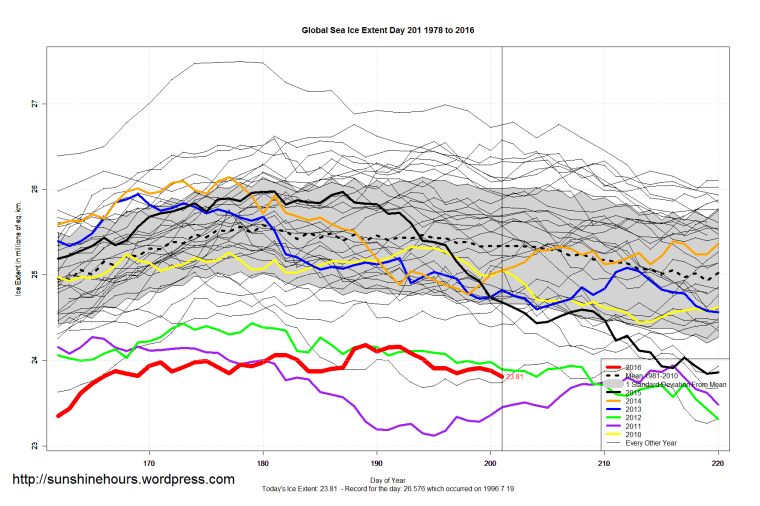
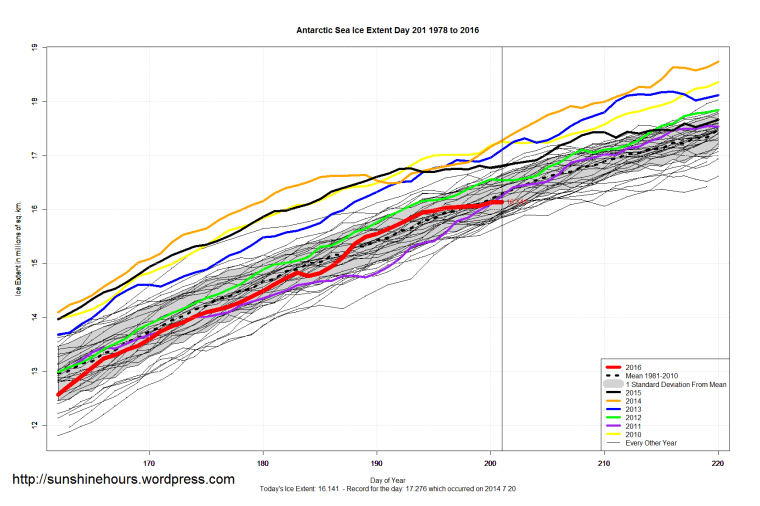
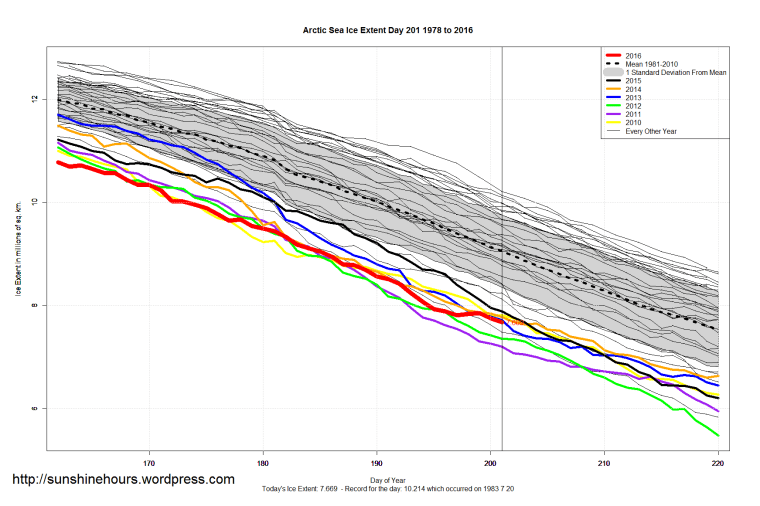
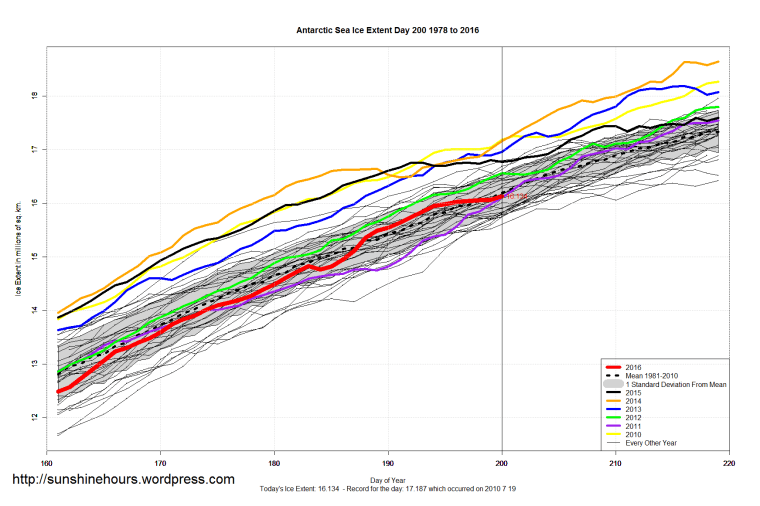
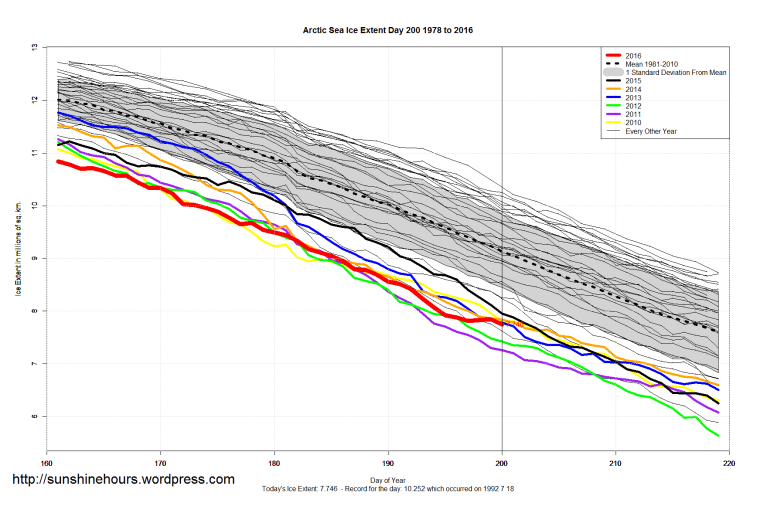
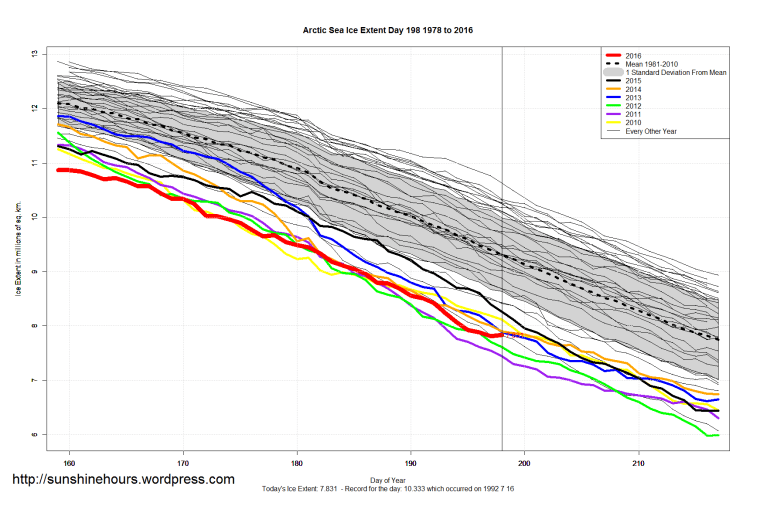
Sea Ice Extent (Global Antarctic and Arctic) – Day 200 – 2016
UK Faces Winter Gas Crunch
Oh oh! Its going to be a cold winter in the UK!
The UK faces a looming winter gas supply crunch after Centrica said it has been forced to shut down a key gas storage facility until next spring.
Centrica’s Rough site accounts for more than 70pc of the UK’s total gas storage capacity, and can provide about 10pc of peak winter gas demand. The facility, which was converted from a partially depleted gas field off the Yorkshire coast in the 1980s, has suffered ongoing issues and outages in recent months and will now close entirely for further tests.
A spokesman said Centrica is working to see whether it will be possible to return around a third of the capacity to operation by November, in time for colder months when gas demand by energy companies climbs.
Cecile Langevin, a senior analyst with Thomson Reuters, said that even if companies are able to draw from the storage site before next March or April, Rough will only be 34pc full because the injections of gas usually made during the summer will not be possible .
Wholesale gas prices for this winter rocketed over 10pc on the UK market following the news, reaching 47½p a therm, as traders reacted to the announcement. The price closed at 46.65p a therm, the highest winter price in a year.
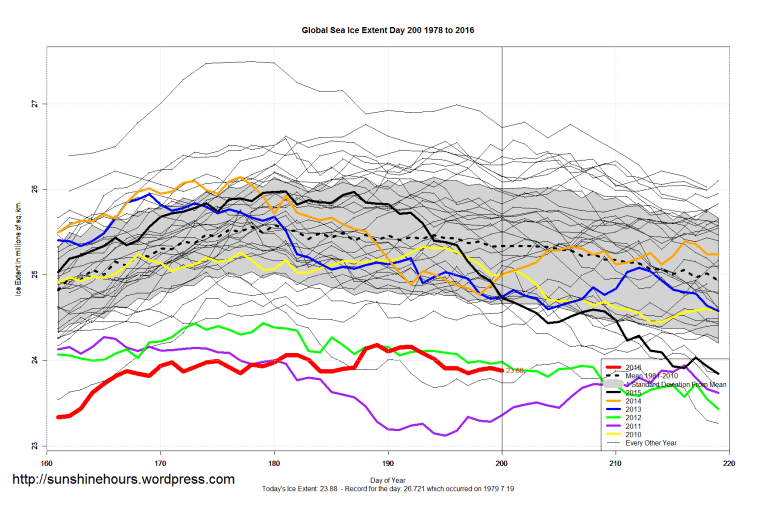
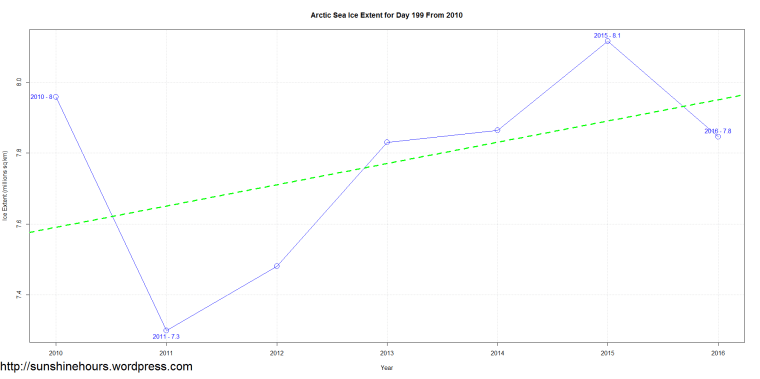
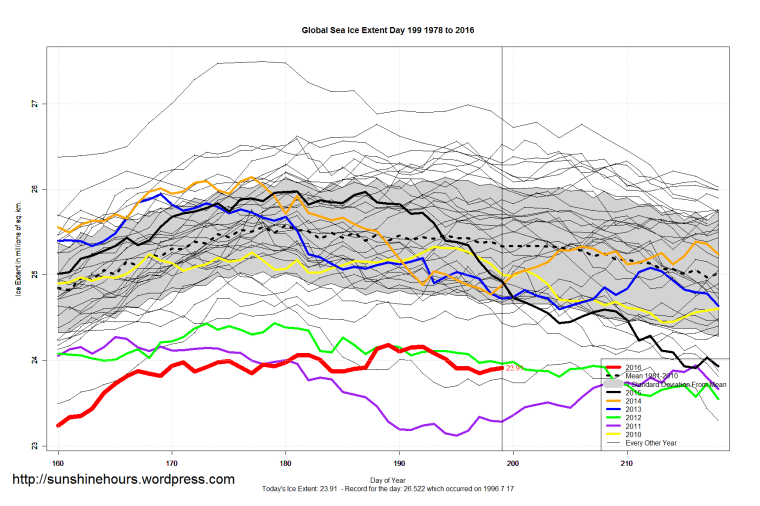
Sea Ice Extent (Global Antarctic and Arctic) – Day 199 – 2016
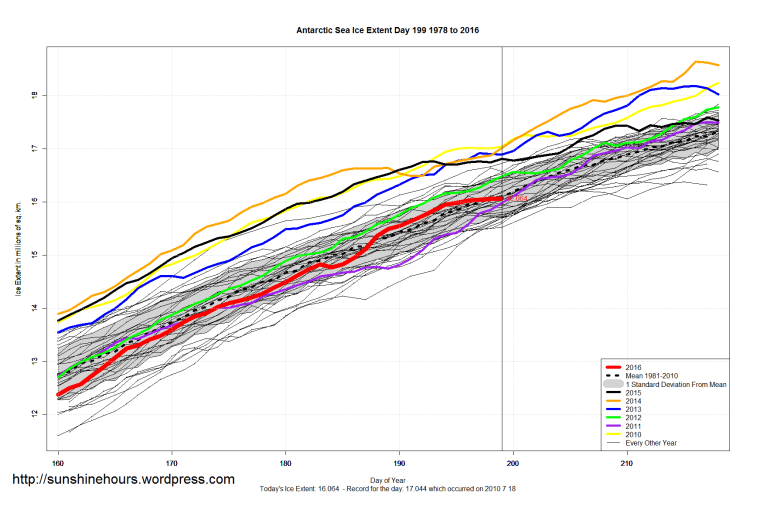
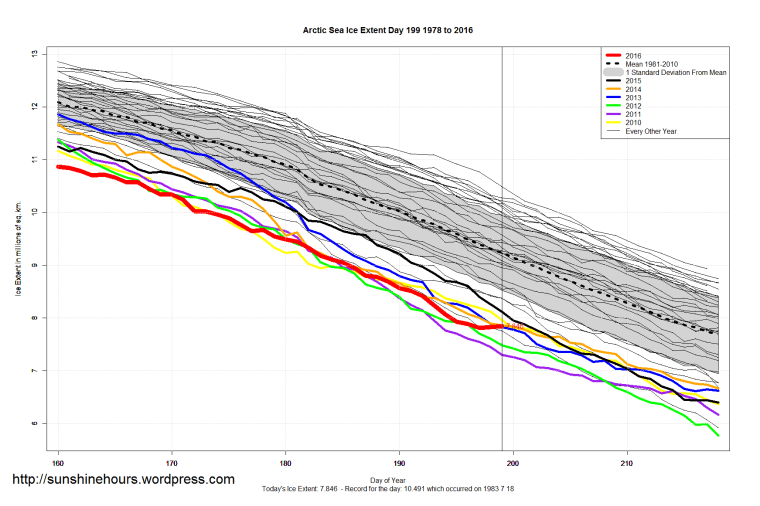
Sea Ice Extent (Global Antarctic and Arctic) – Day 198 – 2016
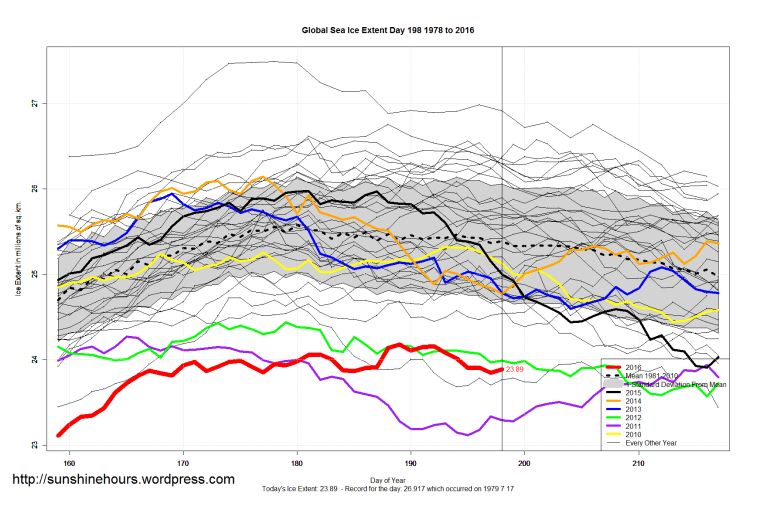
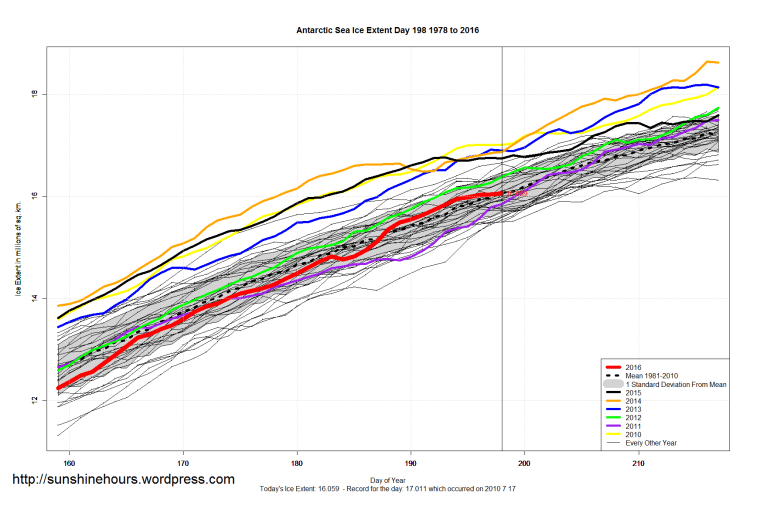
Charcoal in Africa
They are turning trees into charcoal in Africa. If they were smart they could get a grant from Greenpeace and call it BioCharcoal.
Most of the trees have been cut down,” he said recently, hours after securing only 60 bags of charcoal, below his daily average of 80. “Within five years, all the trees will be gone.”
Trees have been disappearing in a widening arc from Toliara in the past decade. As charcoal producers first culled trees in forests closest to Toliara, leaving villages surrounded only by thickets, the business has shifted to remote areas about 100 miles away, accessible by dirt roads and sometimes waterways.
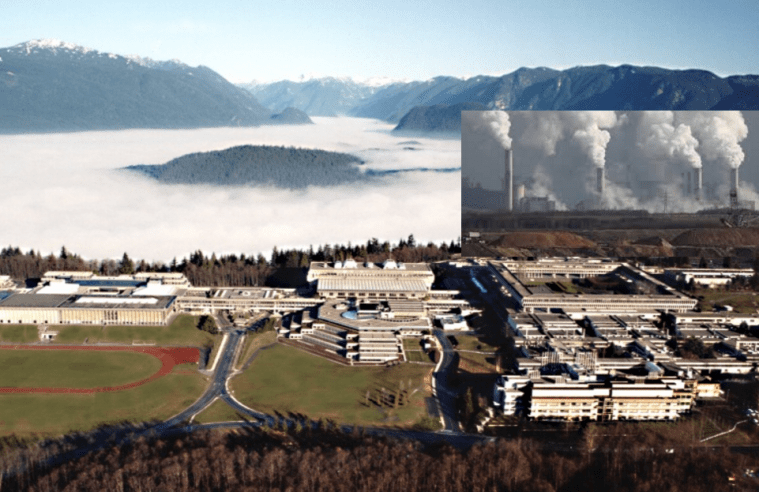
Simon Fraser University Hates Air Quality in Vancouver
Imagine a giant wood stove at the top of Burnaby Mountain (where my alma mater SFU is situated).
Imagine all the CO2. Imagine all the smoke.
It appears the idiots running SFU hate air quality in Vancouver and the lower mainland.
“The district energy system will produce energy using locally sourced biomass that would otherwise be destined for local landfills. It could include urban wood waste (from tree cuttings and trimmings), uncontaminated wood waste (such as wood chips from sawmills and shavings), and clean construction wood waste.”
If we know anything about wood waste we know:
- They will run out of wood waste and start burning whole trees
- There will be more CO2 produced than if they were burning coal (let alone natural gas)
- There will be more particulate matter than if they are burning clean natural gas.
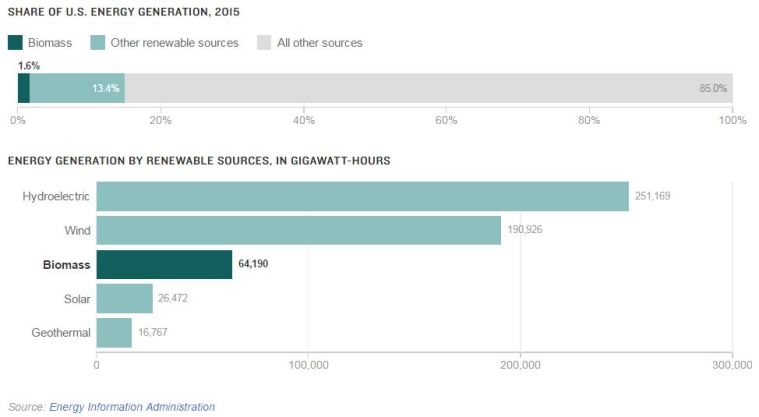
Biomass Generates More Electricity Than Solar Panels in the US
Stupid and dirty biomass. Produces more CO2 than coal. Lots of particulate matter. Cuts down forests.
Idiots!
“What’s actually happening is we are basically cutting down perfectly healthy, productive trees,” says Tim Searchinger, a research scholar at Princeton University.
In 2015, biomass — which refers to trees or other organic matter burned for fuel — produced more electrical energy in the U.S. than solar panels.


 sunshine hours