Lets say its June 13th 2016 10am or so in Ontario and there is about 16GW of demand.
Nuclear+Hydro+Gas keeps the lights and heat on.
Biofuel+Wind+Solar are just posturing. And they cost a fortune.
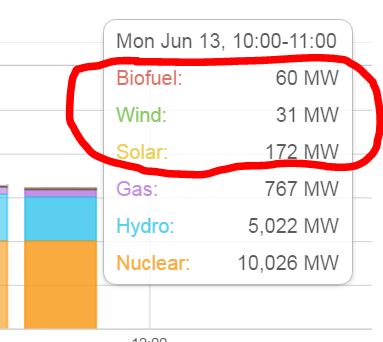
Lets say its June 13th 2016 10am or so in Ontario and there is about 16GW of demand.
Nuclear+Hydro+Gas keeps the lights and heat on.
Biofuel+Wind+Solar are just posturing. And they cost a fortune.
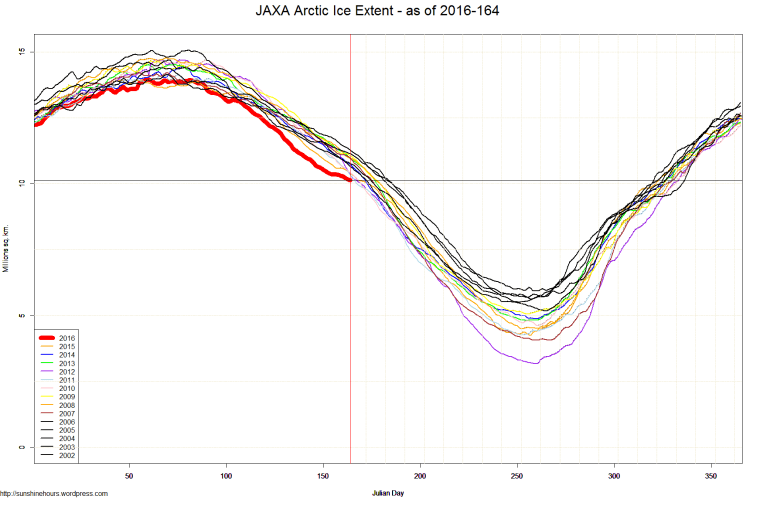
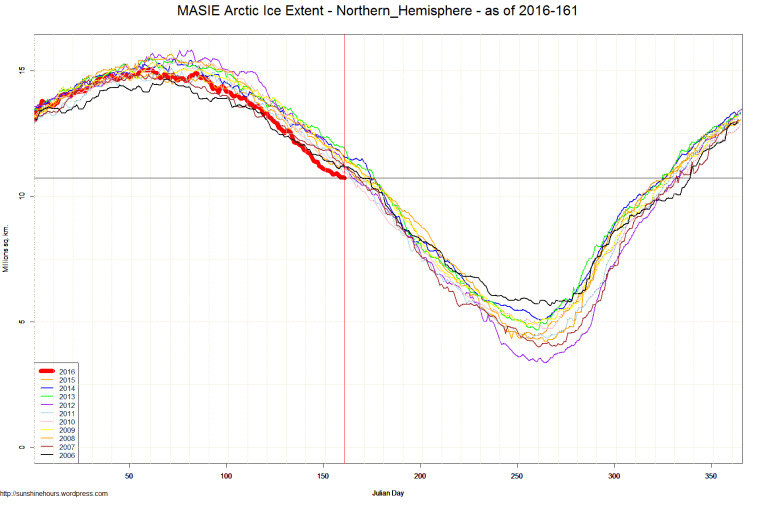
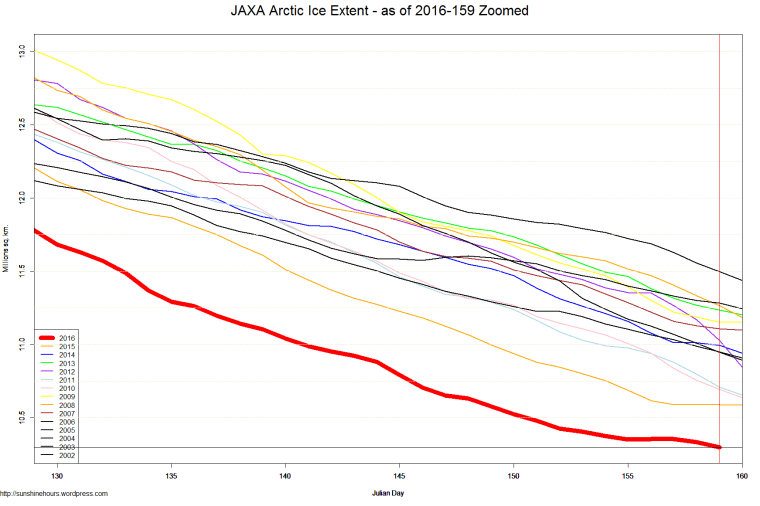
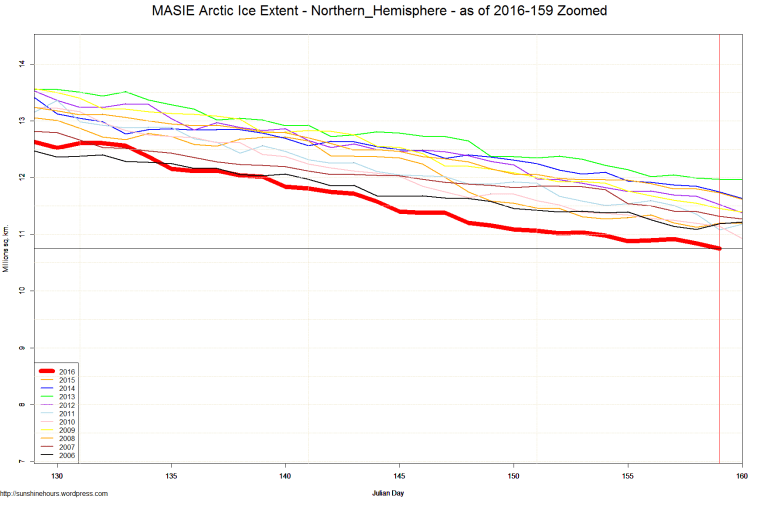
A couple of days ago I pointed out one of the other ice indexes (DMI) had now crossed over the 2012 track.
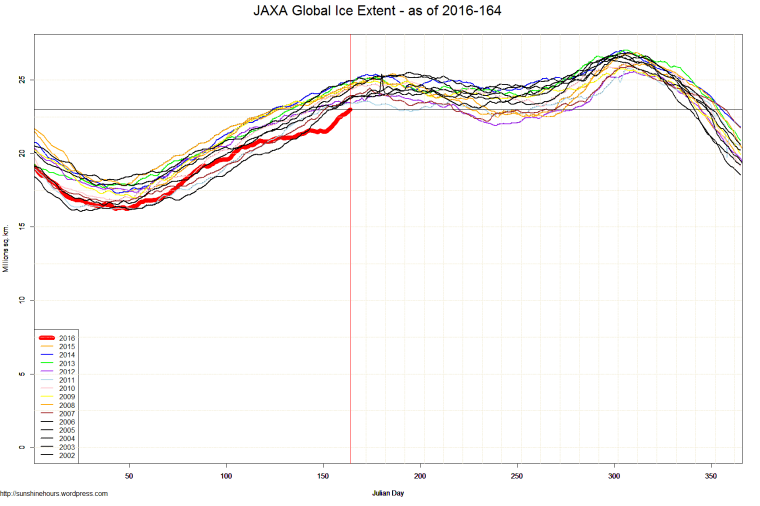
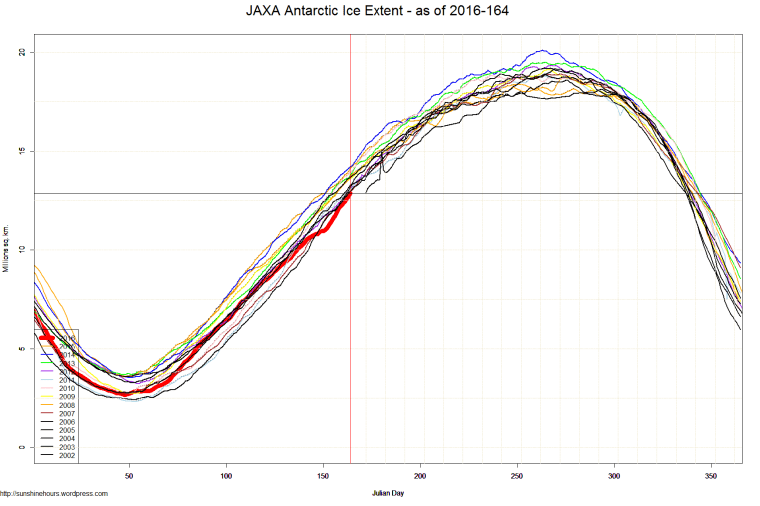
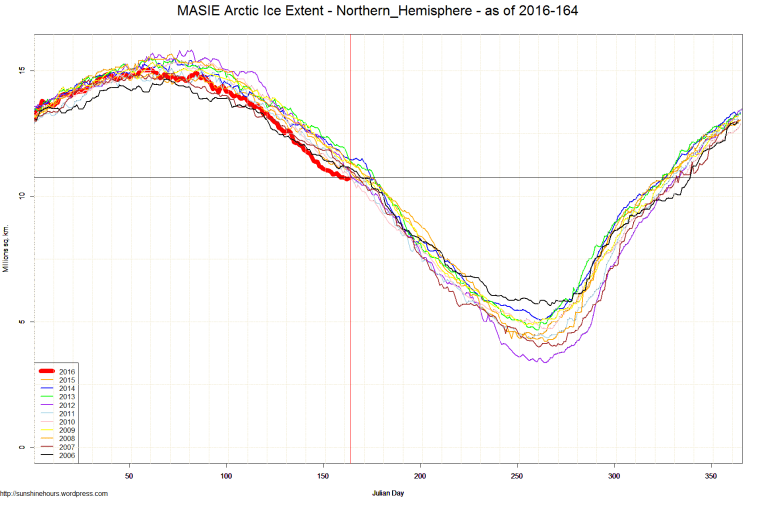
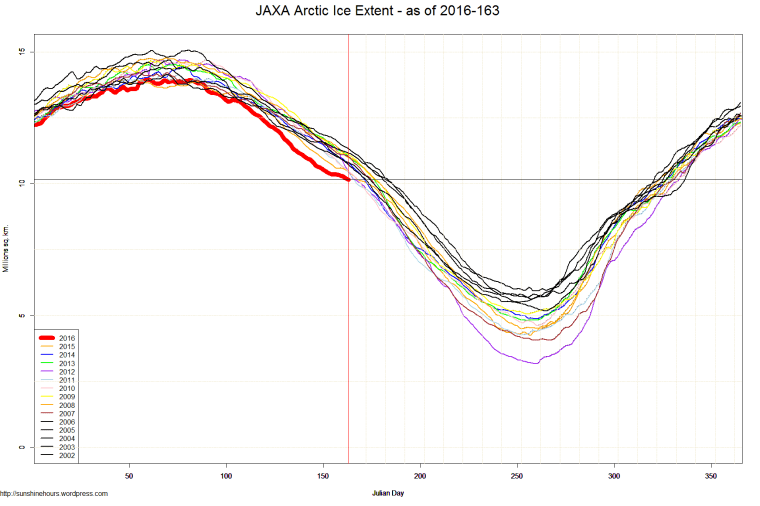
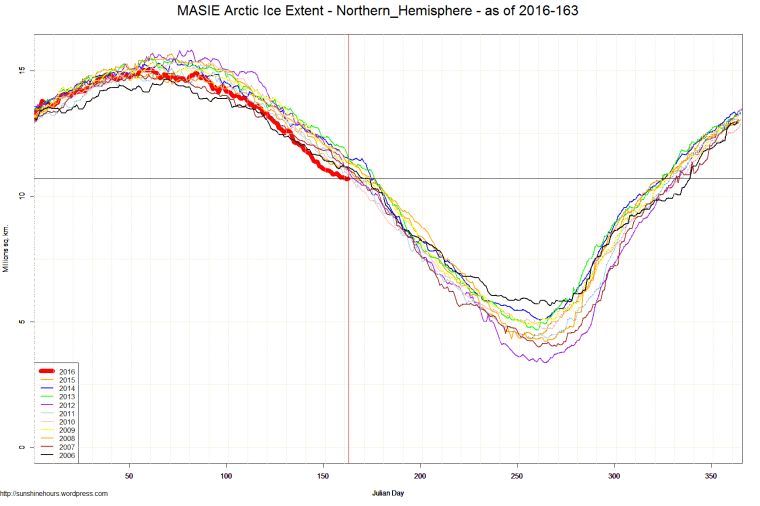
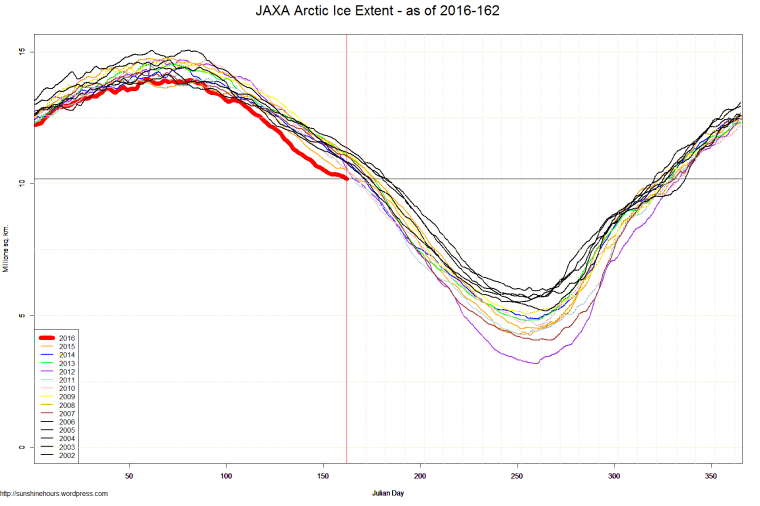
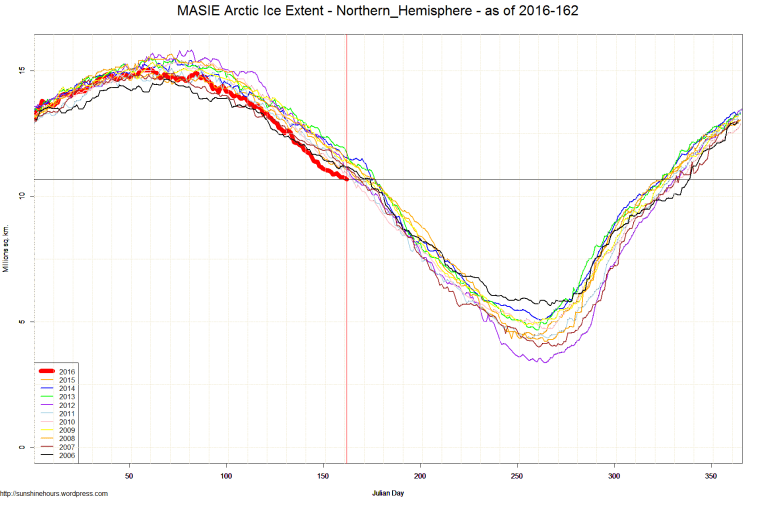
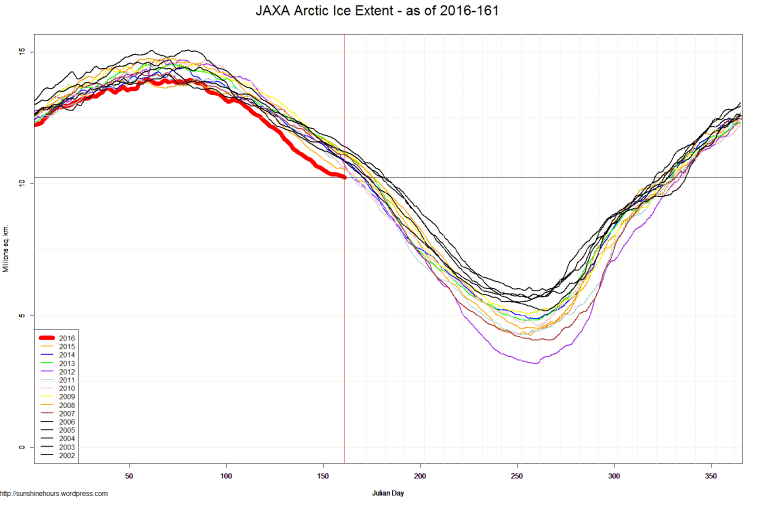
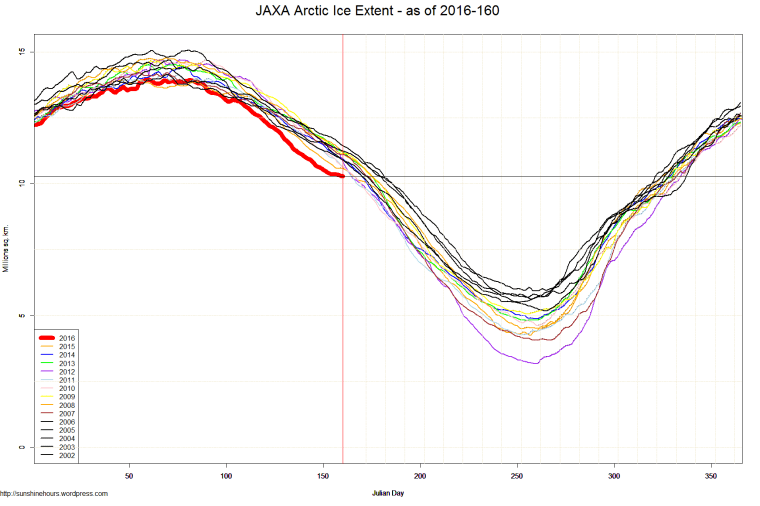
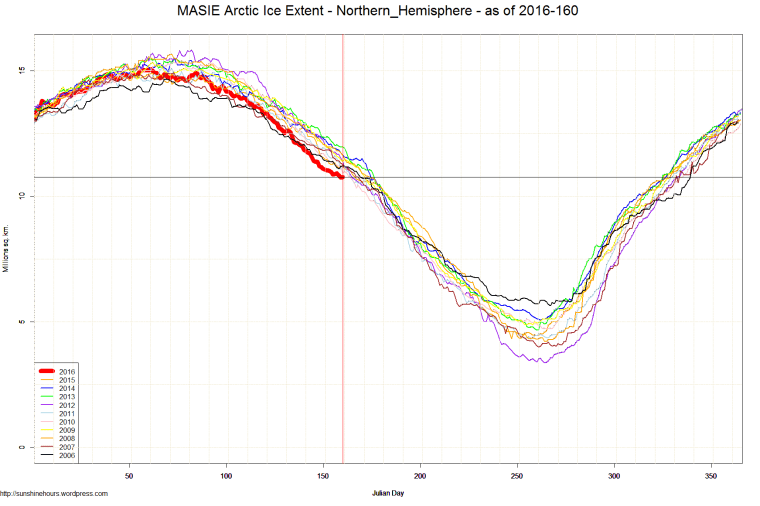
MASIE (see bottom) is now very close (4300 sq km — but it was 2011 not 2012). JAXA is still 300,000 sq km below 2012.
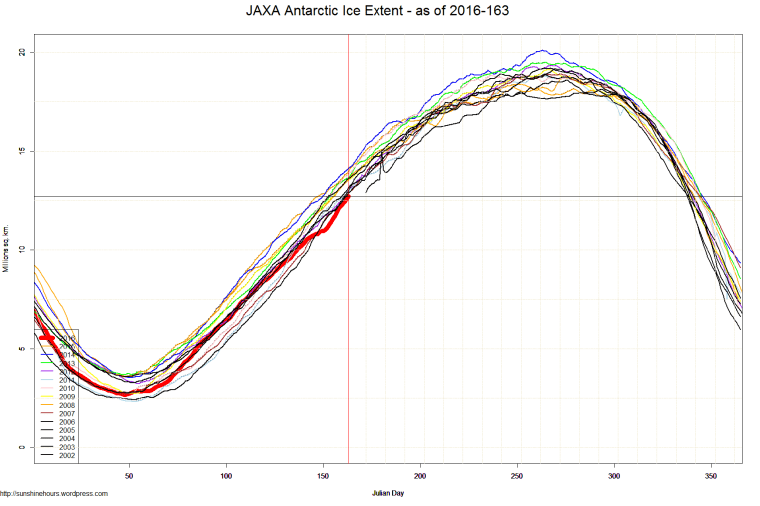
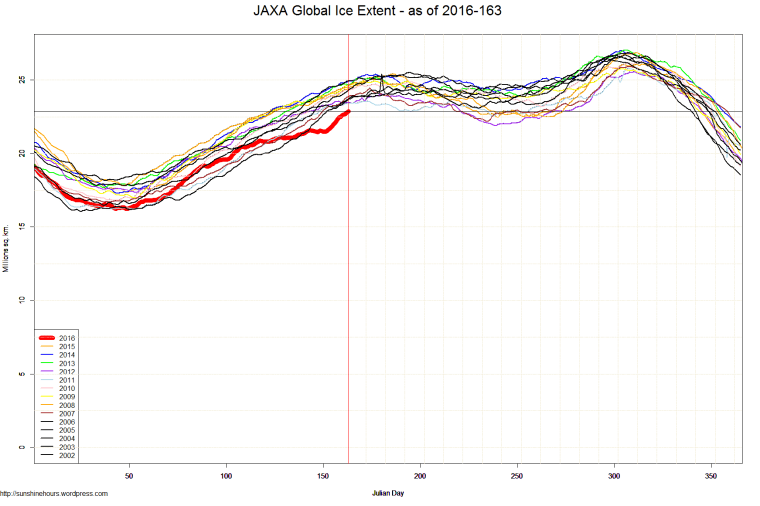
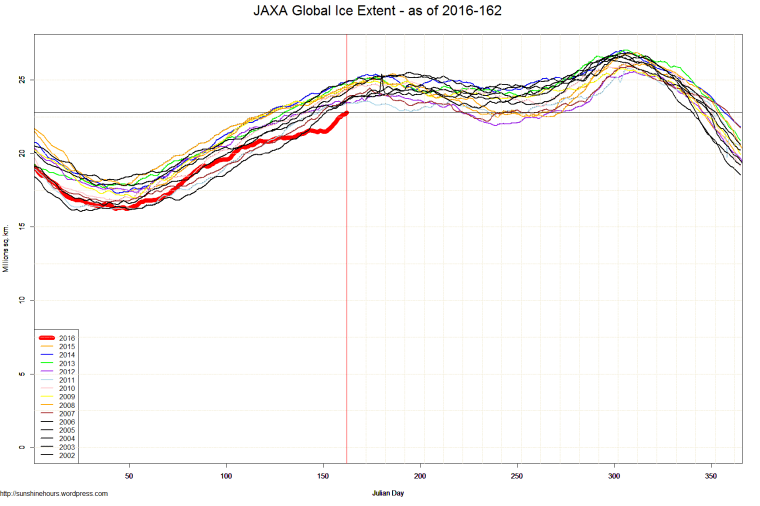
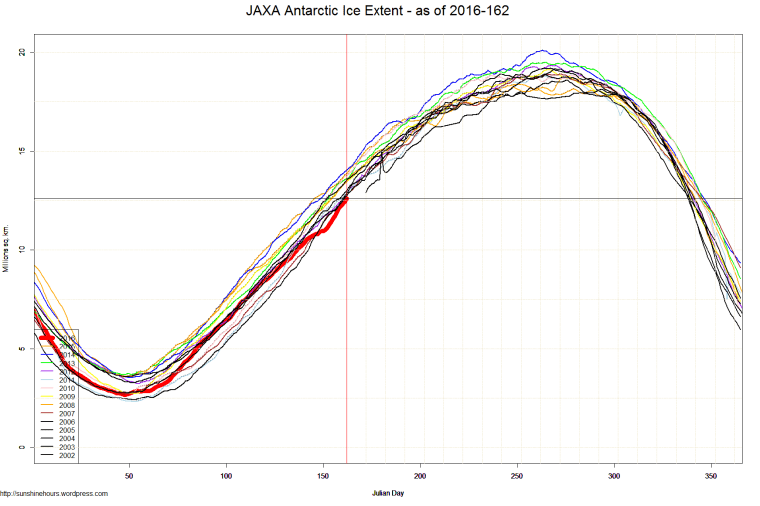
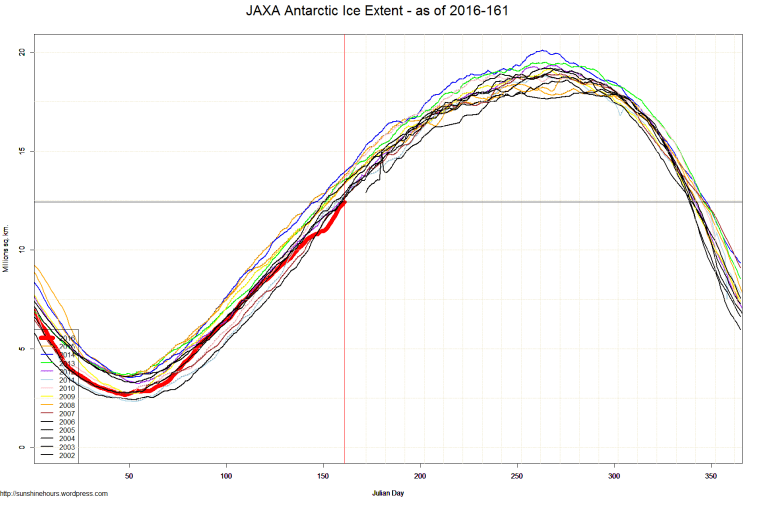
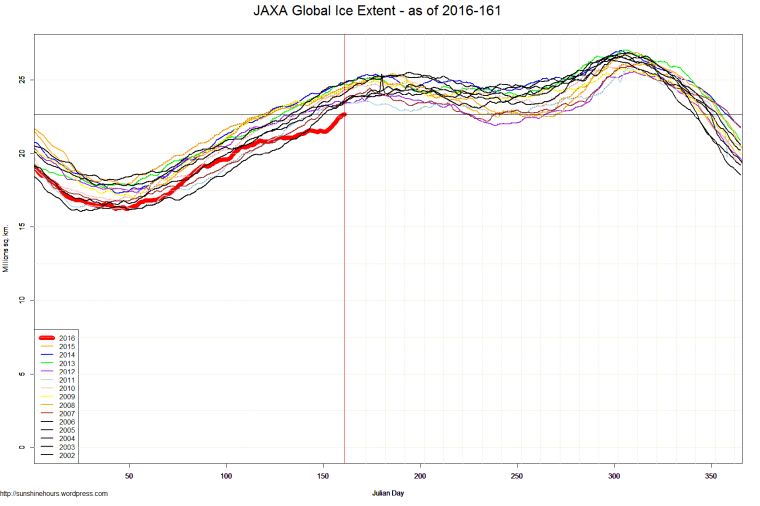
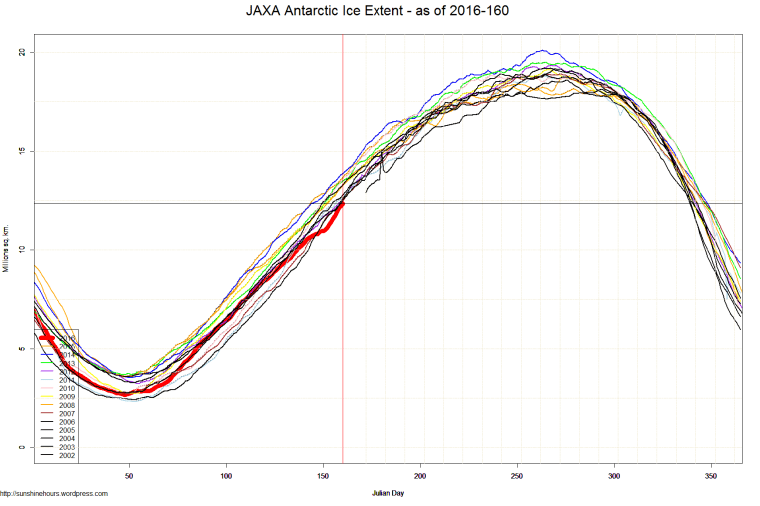
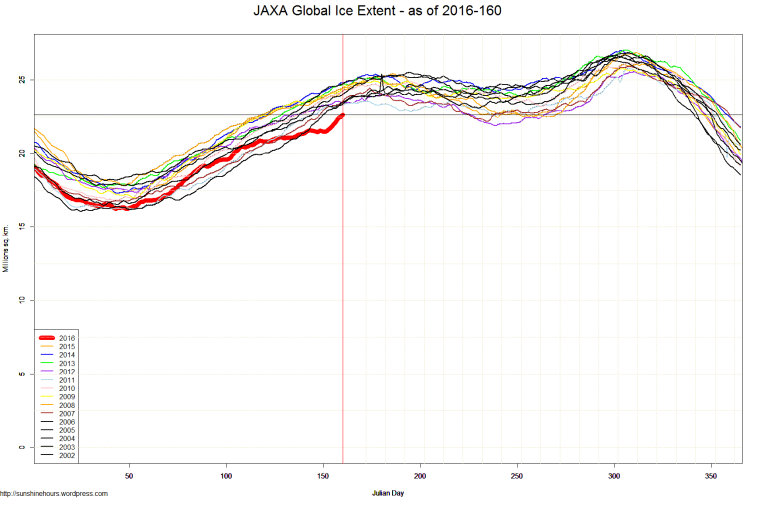
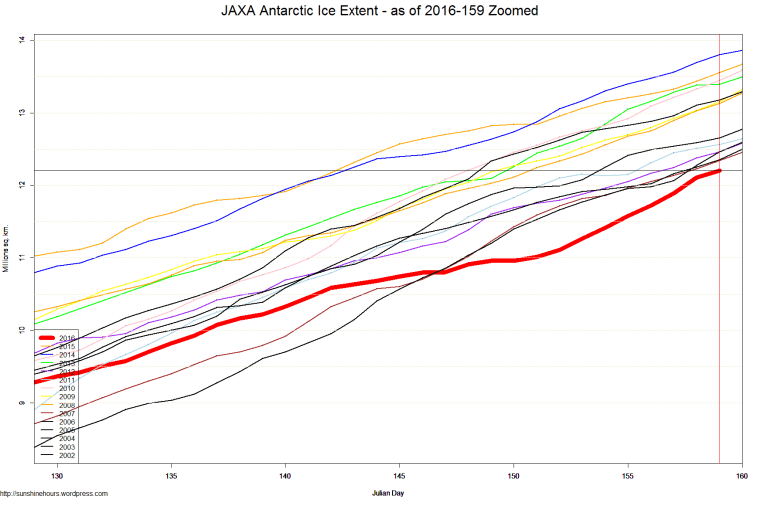
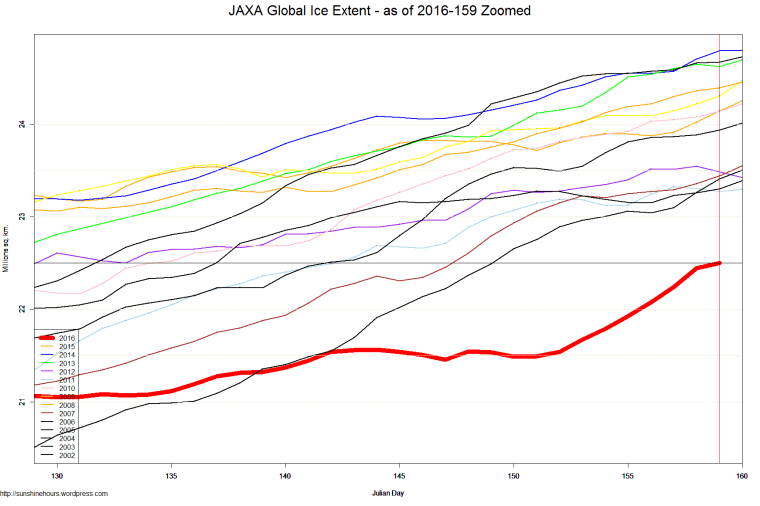
JAXA sea ice extent data from Japanese Aerospace Exploration Agency.
MASIE (Arctic only)
The original study was flawed (understatement) and said the opposite.
…the American Journal of Political Science … published a finding much beloved of liberals a few years back that purported to find scientific evidence that conservatives are more likely to exhibit traits associated with psychoticism, such as authoritarianism and tough-mindedness, and that the supposed “authoritarian” personality of conservatives might even have a genetic basis
Oops
The authors regret that there is an error in the published version of “Correlation not Causation: The Relationship between Personality Traits and Political Ideologies” American Journal of Political Science 56 (1), 34–51. The interpretation of the coding of the political attitude items in the descriptive and preliminary analyses portion of the manuscript was exactly reversed.
Read the whole article.
2012 was the lowest minimum sea ice according to most sea ice extent charts.
DMI is now showing 2016 crossing to be higher than 2012. JAXA doesn’t show this yet.

The arctic is greening. So says NASA. Its probably all that extra CO2.
Scientists from America’s space agency have found that nearly a third of the land cover in Canada and Alaska has greened in recent decades as a result of climate change.
As the far north warms as a result of climate changes, plants are moving north as well, “greening” the far north.
It also shows that the boreal forest is “browning” as a result of hotter and drier weather.
Greening is unmistakeable
NASA analyzed some 87,000 images captured by the Landsat satellite showing a trend towards much more plant life across the north. Their findings were reported in the science publication Journal of Remote Sensing under the title- The vegetation greenness trend in Canada and US Alaska from 1984–2012 Landsat data.
The data shows that about a third of the previously mostly barren tundra had become covered with plants. Areas that were previously grassland showed small shrubs had moved in, and in turn larger shrubs then took over even as the grasslands and other small plants moved further north.
The article also says:
a warming Arctic could release massive amounts of carbon stored in the Arctic soil and permafrost
Hey! Doesn’t more vegetation suck CO2 out of the air and store it in the ground?
 sunshine hours
