The NOAA said it was 44th coldest March in the USA .
(1 would be the coldest – 125 would be the warmest)

The NOAA said it was 44th coldest March in the USA .
(1 would be the coldest – 125 would be the warmest)
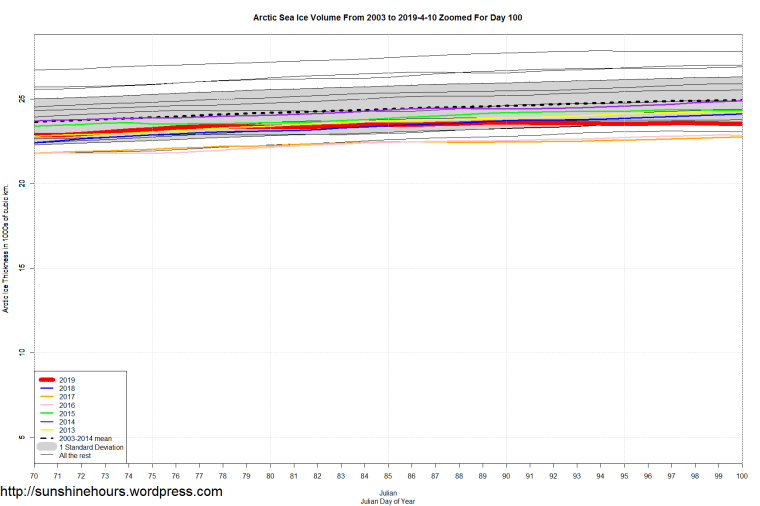
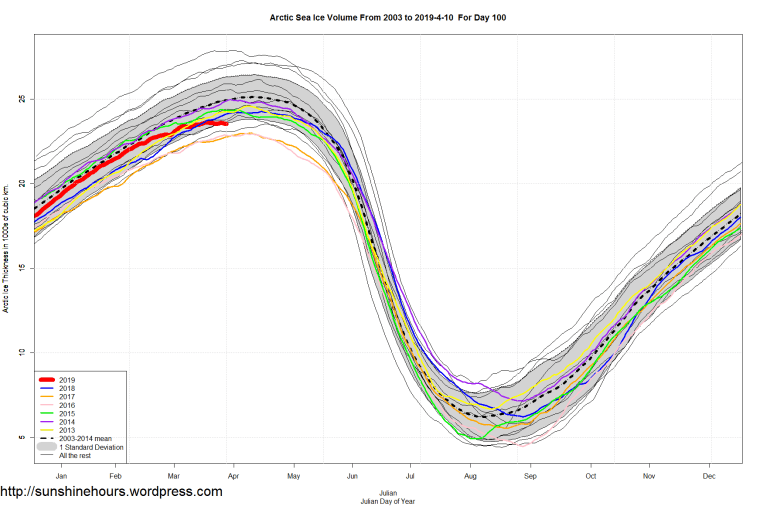
From DMI
A recent report, commissioned by Environment and Climate Change Canada (also known as the federal Department of the Environment), sparked a feverish bout of media coverage. Much of it keyed off the headline statement that Canada warmed “twice as fast” as the entire planet since 1948. If that is self-evidently a bad thing, what to make of the finding that the Canada’s Atlantic region warmed twice as fast as the Prairies? Or that Canadian winters warmed twice as fast as summers?

I’ll bet you didn’t know that the Maritimes warmed twice as fast as the Prairies. But now that I’ve told you, you might tell yourself it makes sense based on what you’ve seen or heard — that’s called confirmation bias. In fact, I was lying. It’s the other way around. The Prairies warmed almost three times faster than the Maritimes.
The warming we have had over the last 100 years is so small that if we didn’t have meteorologists and climatologists to measure it we wouldn’t have noticed it at all
— Climatologist Lennart Bengtsson
Would you have known either way? One of the psychological effects of a report like this, and the attendant media hype, is that it puts ideas in peoples’ heads. Tell everyone over and over that the climate is changing, and soon they will see proof of change everywhere. Rain, snow, wind, floods or dry spells; it will all seem to eerily confirm the theory, even though we have always had these things.
Most of what people are noticing, of course, are just natural weather events. Underneath, there are slow trends, both natural and (likely) human-caused. But they are small and hard to separate out without careful statistical analysis. A few years ago, climatologist Lennart Bengtsson remarked “The warming we have had over the last 100 years is so small that if we didn’t have meteorologists and climatologists to measure it we wouldn’t have noticed it at all.”
And so we get reports with charts and graphs to tell us about the changes we didn’t notice. Remember last summer when the media hyped a report from the Intergovernmental Panel on Climate Change warning that warming 1.5 degrees Celsius (compared to preindustrial times) was a disaster threshold we must avoid crossing at all costs? Now we learn that Canada warmed 1.7 degrees Celsius since 1948. Far from leaving the country a smoking ruin, we got wealthier and healthier, our population soared, and life improved by almost any measure of welfare you can imagine. If only every so-called catastrophe was like this.
Read it all here
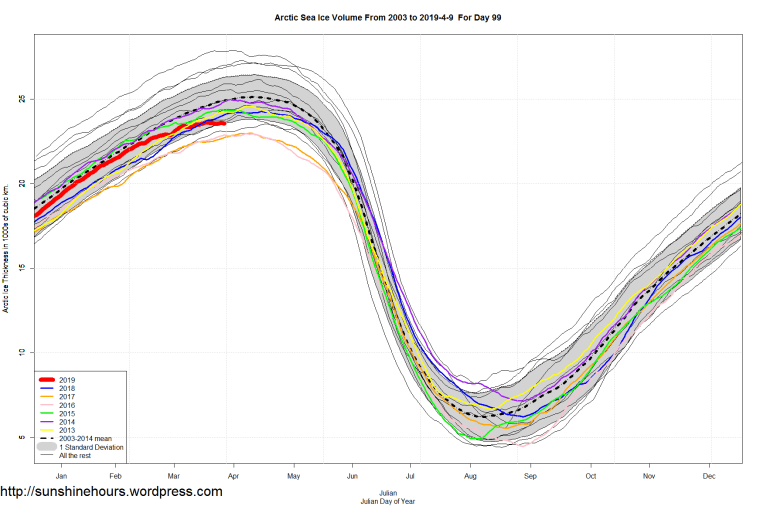
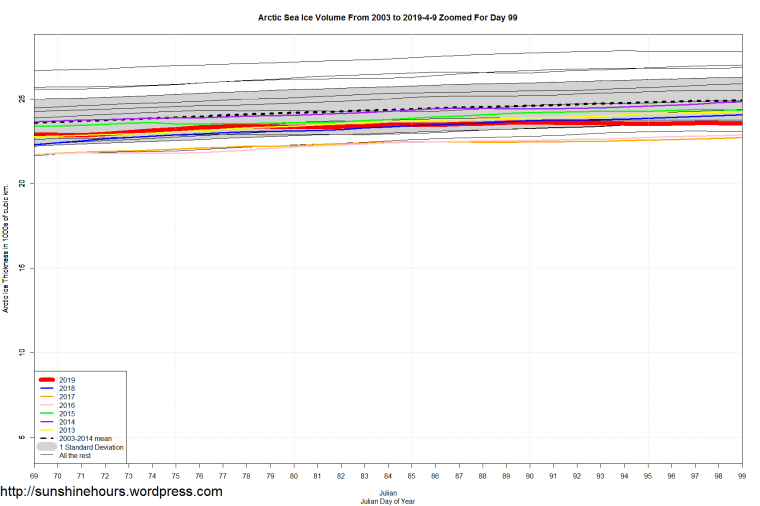
From DMI
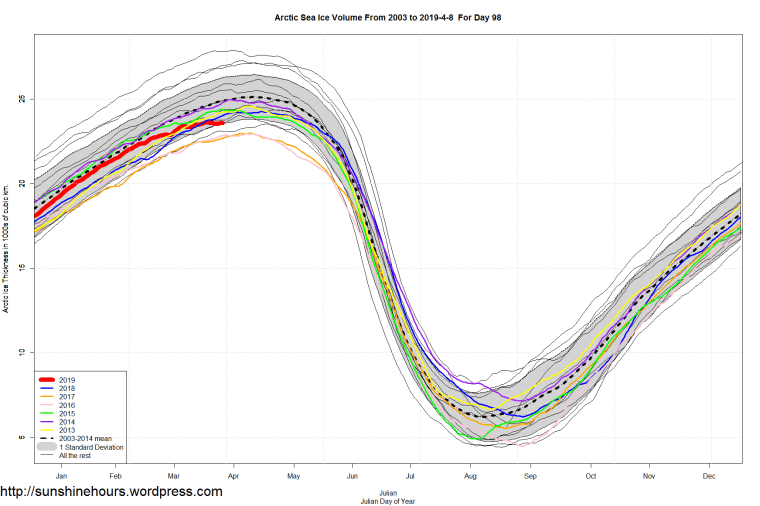
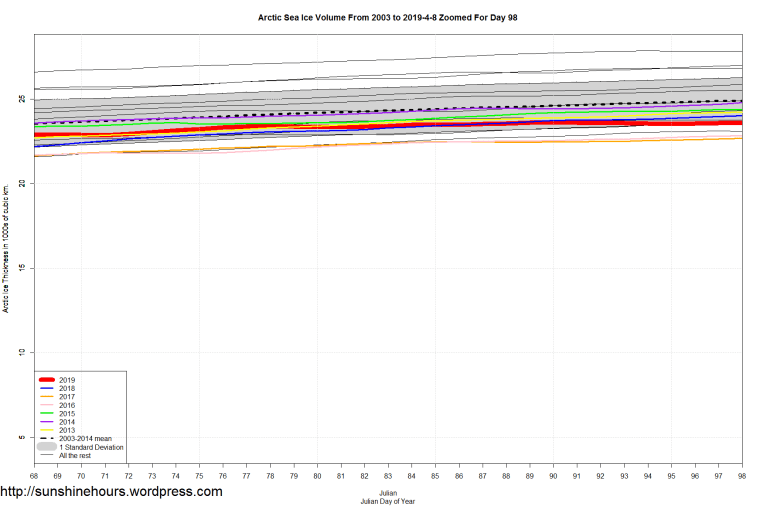
From DMI
I referenced this paper a few days ago. This blog post extrapolates the numbers to Canada.
After collecting reams of data, and performing careful calculations, the researchers conclude that US heating bills declined noticeably between 2005 and 2010 “due to the boom in shale production of natural gas.”
That price decline, they write, “caused a 1.6% decrease in the winter mortality rate for households using natural gas for heating.”
Only 58% of American households heat with natural gas, so the drop in the death rate for the US population as a whole over a full calendar year works out to about half a percentage point. The bottom line: lower energy prices saved 11,000 lives annually.
Which brings us to the carbon tax recently imposed on all sources of home heating here in more northerly Canada. Enbridge, the company which supplies natural gas to Ontario homes, says it needs to raise the price it charges households by 11% just to pay for this carbon tax.
If deaths drop when heating costs decline, they’ll surely increase when heating costs spike. So let’s not beat around the bush: Canada’s carbon tax is going to kill people.
Extrapolating from those US numbers, 1,100 Canadians will die unnecessarily next winter. And the winter after that. And the one after that. As the size of the carbon tax increases, the number of annual victims may well rise in tandem.
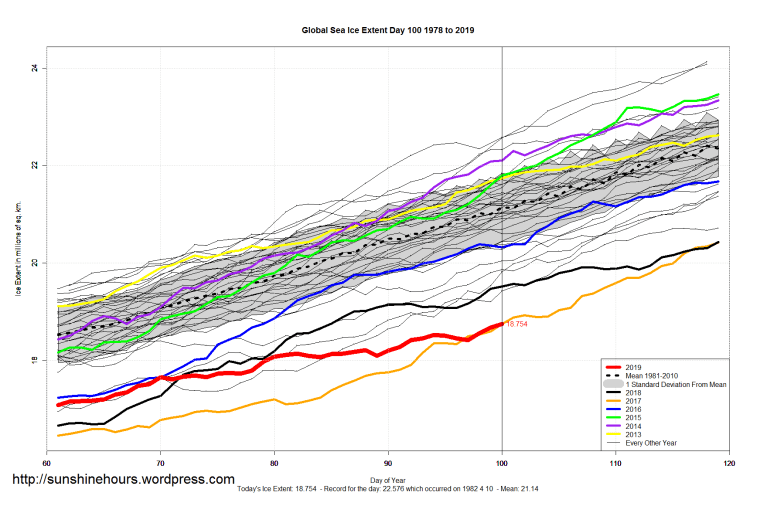

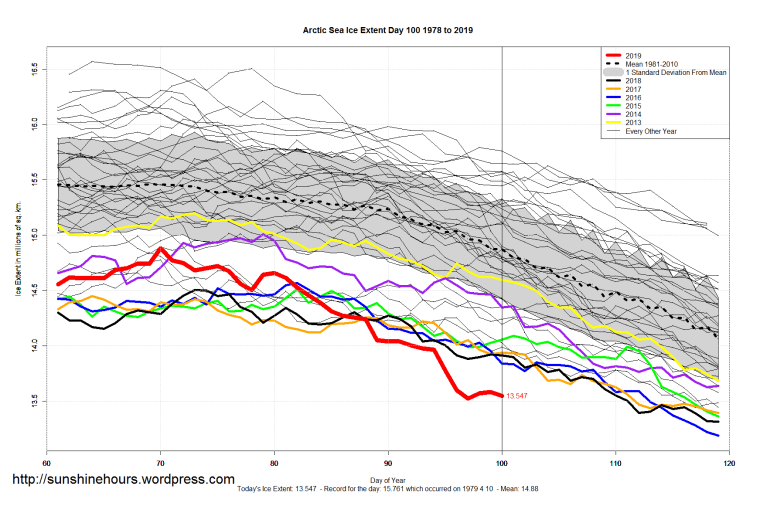

 sunshine hours