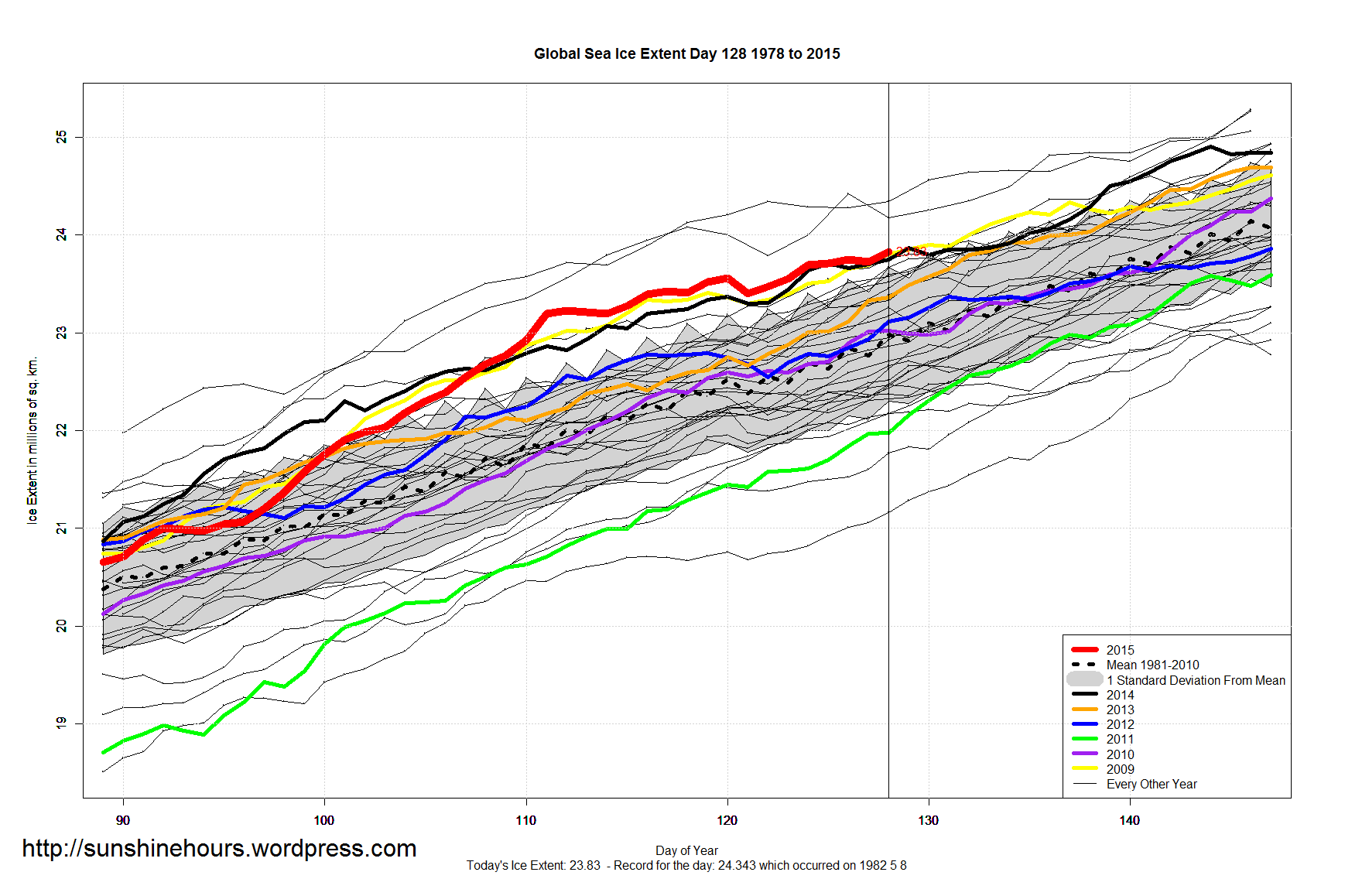
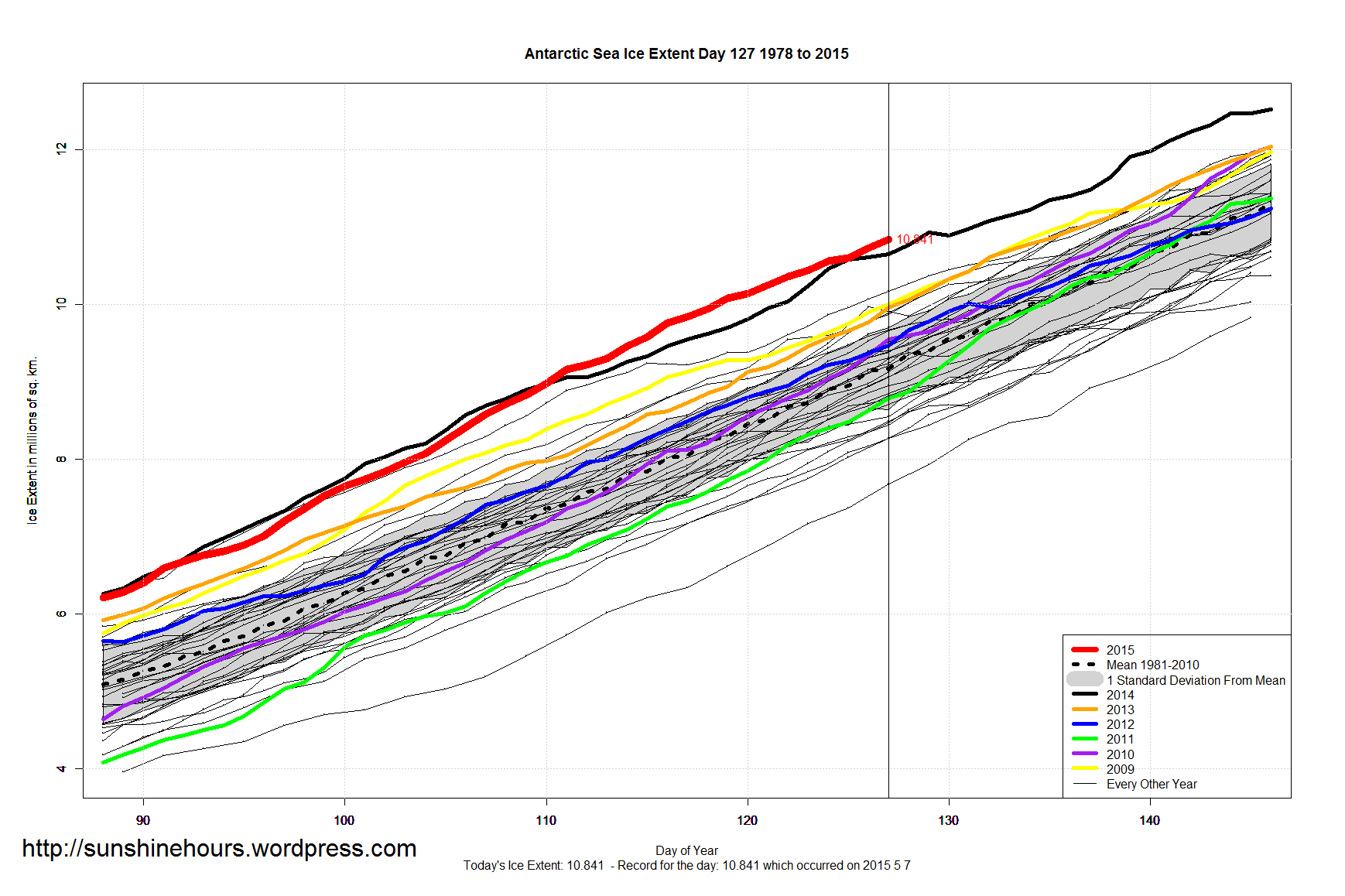
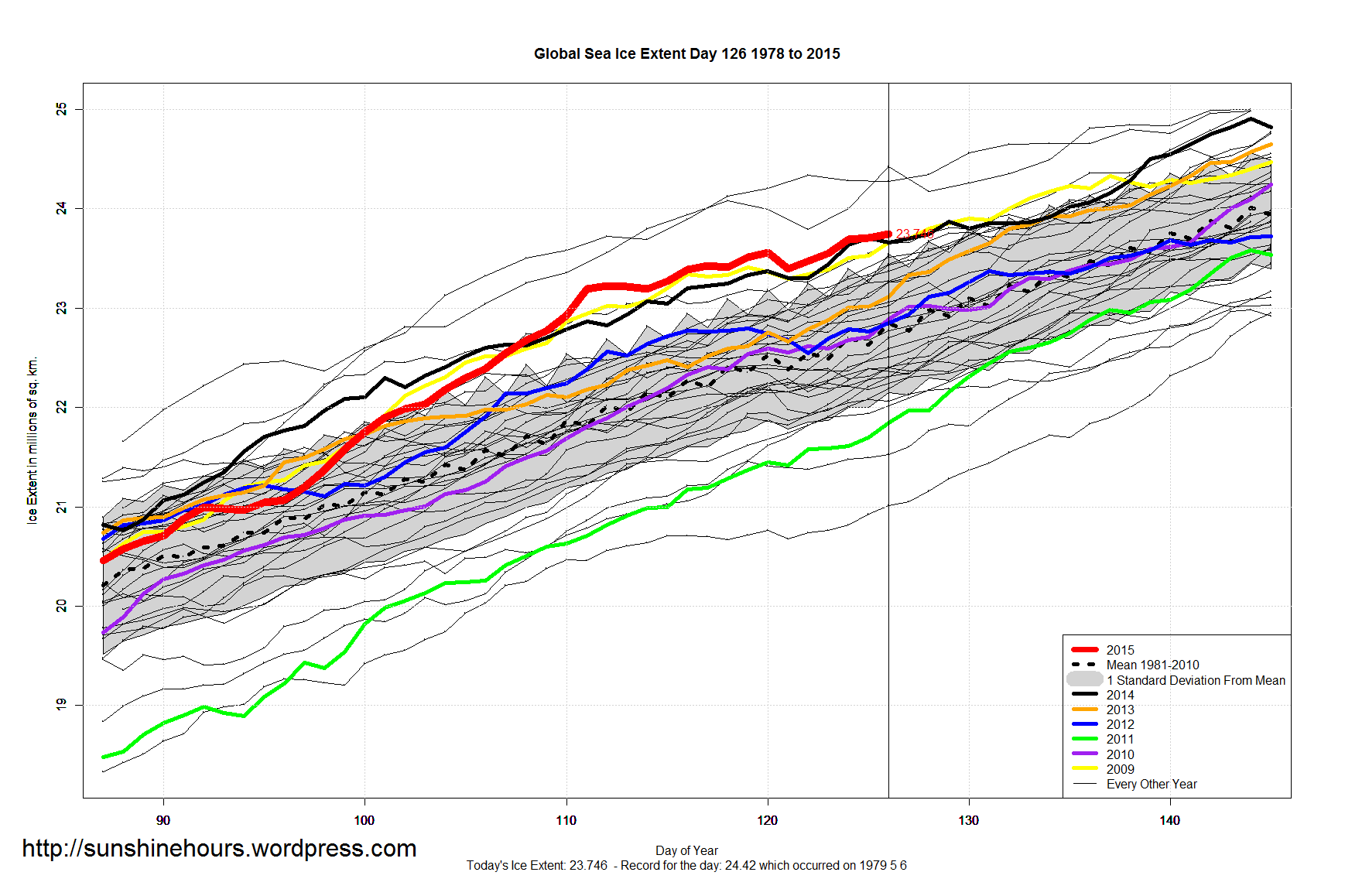
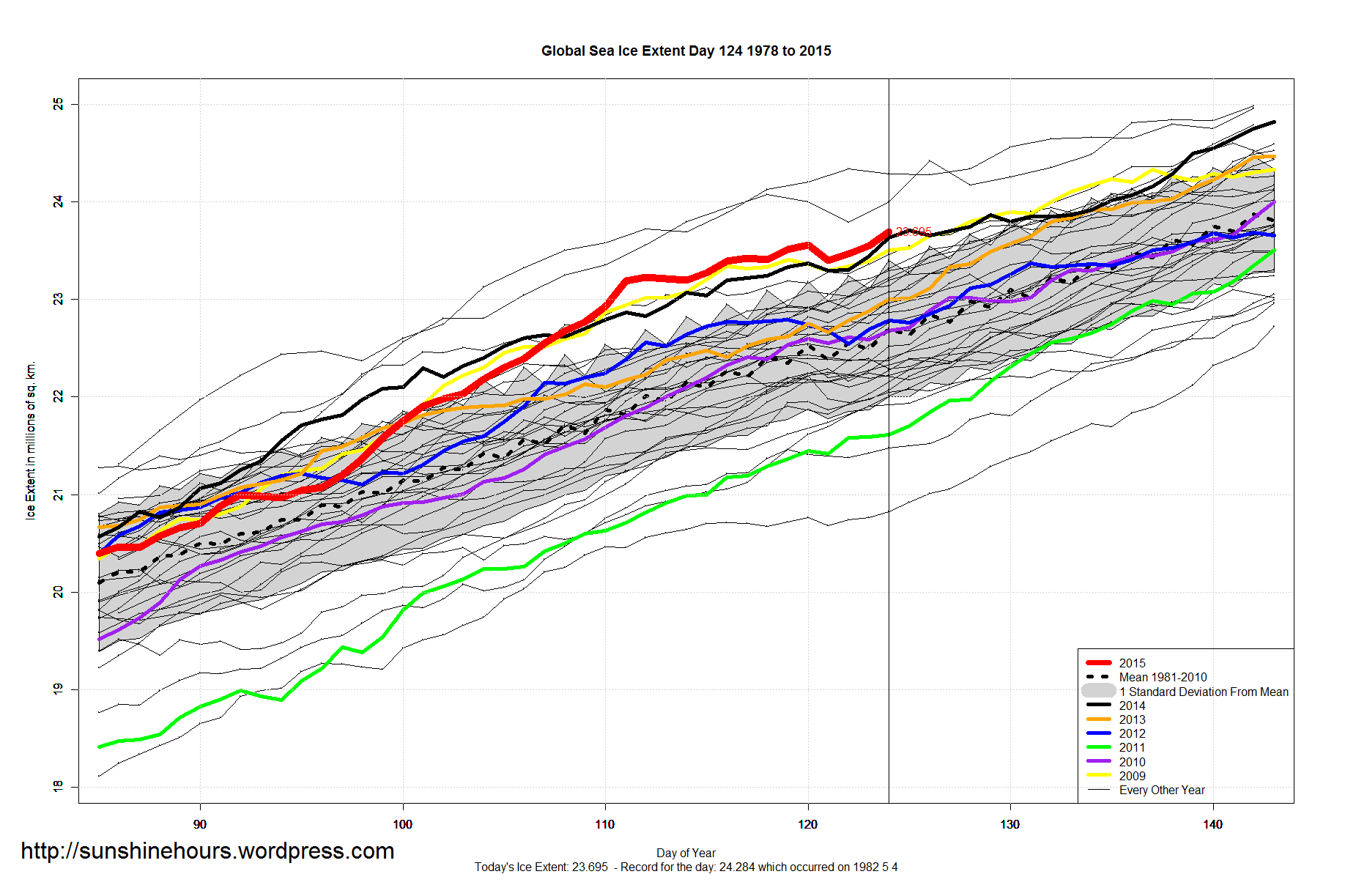
3rd Highest Global Sea Ice For This Day – Above one standard deviation.
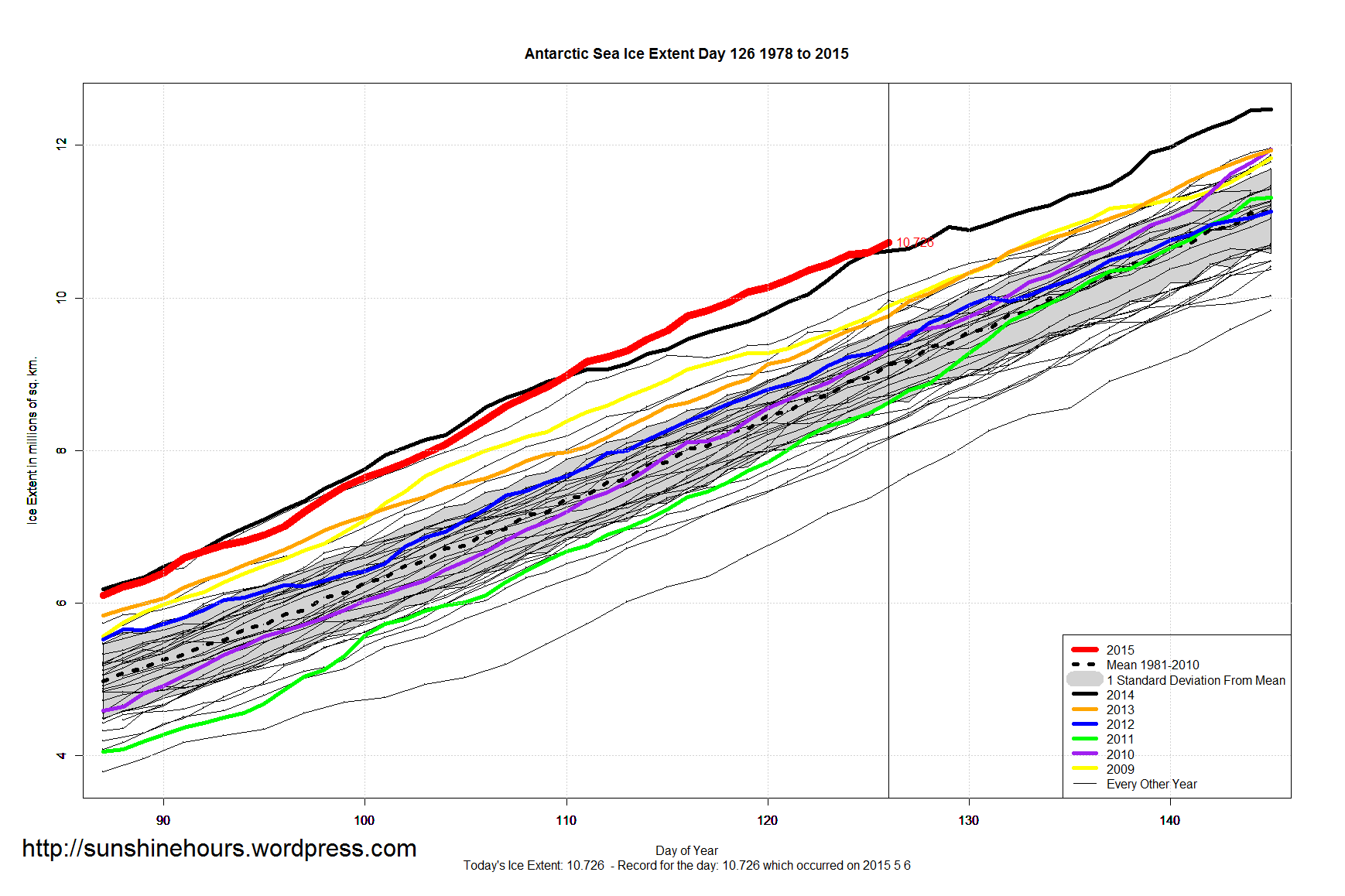
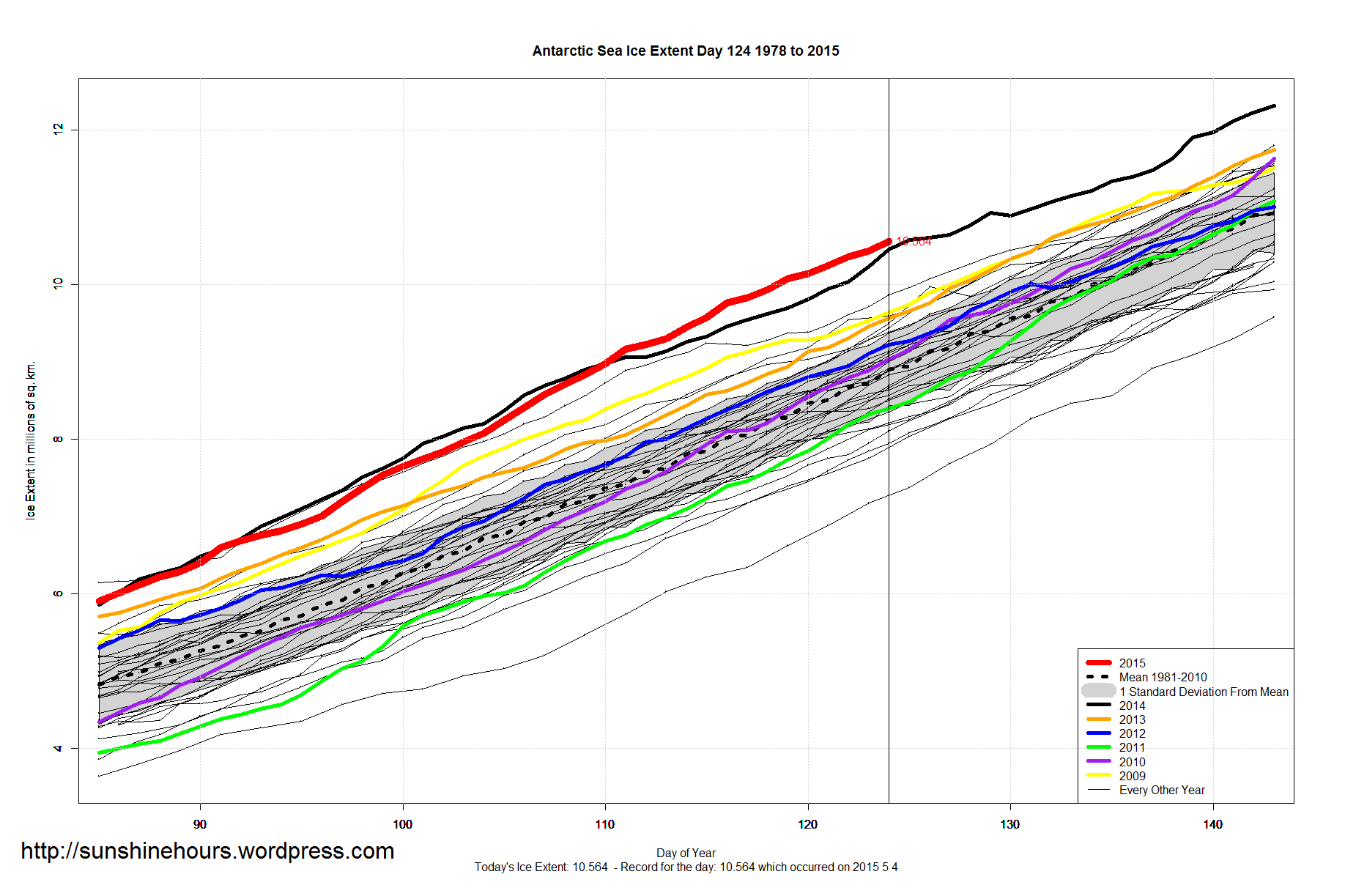
40th Daily Record for Antarctic – 1.67 million above the 1981-2010 mean. – Above 3 standard deviations.


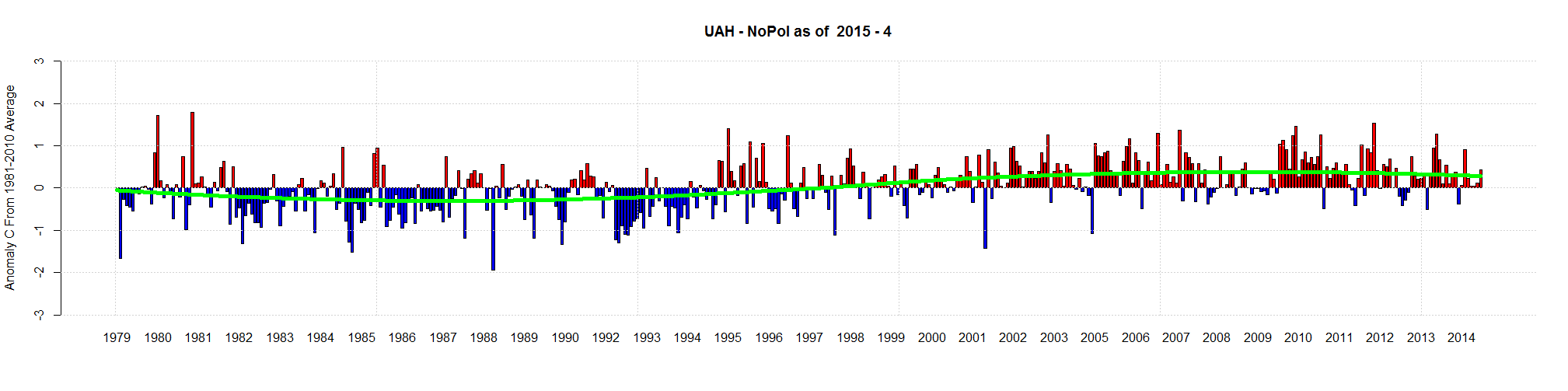
Using Environment Canada’s monthly summaries.
And selecting stations with ‘Normals’ (anomalies from 1981 – 2010) and 90% of the datapoints.
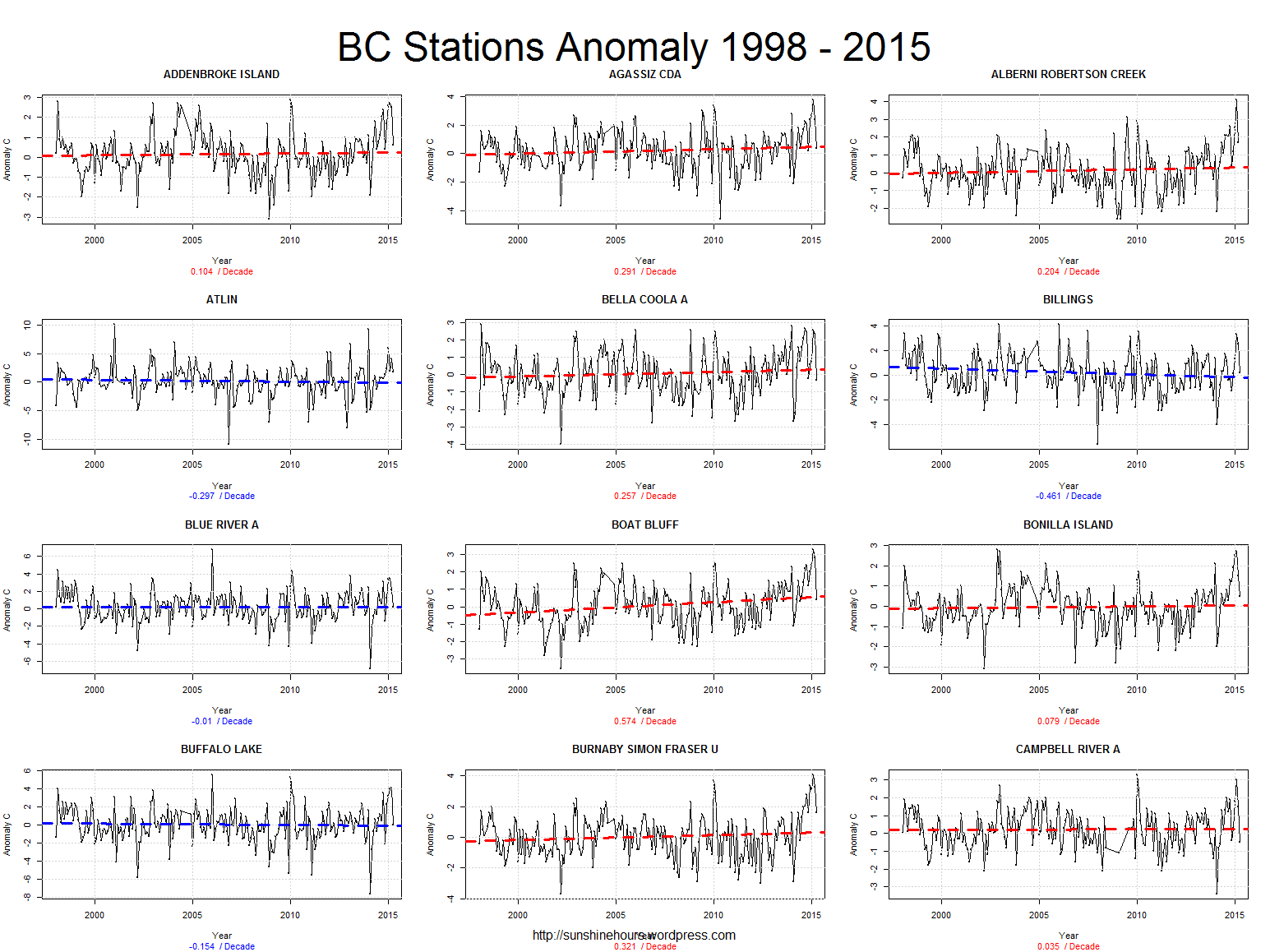

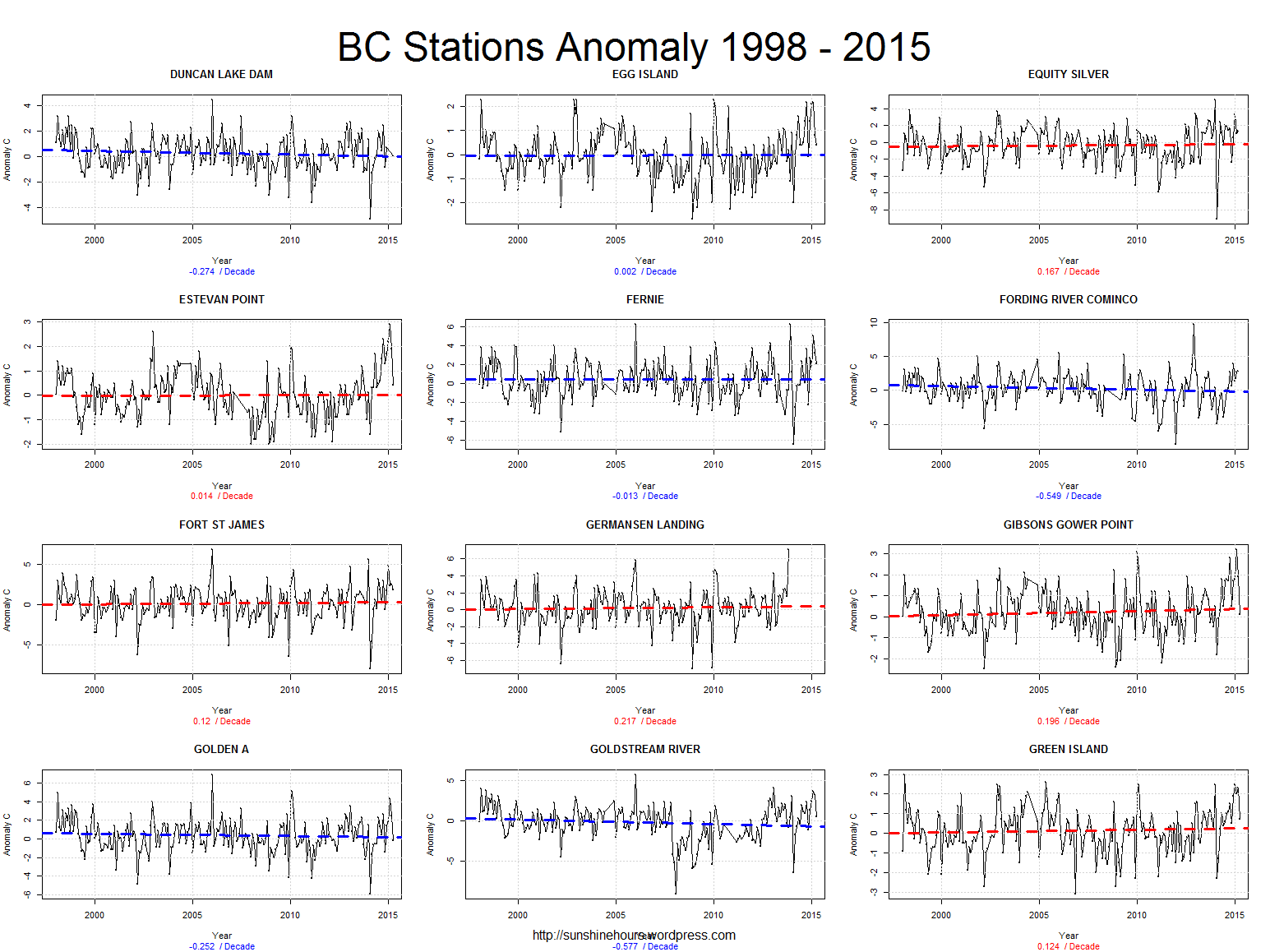

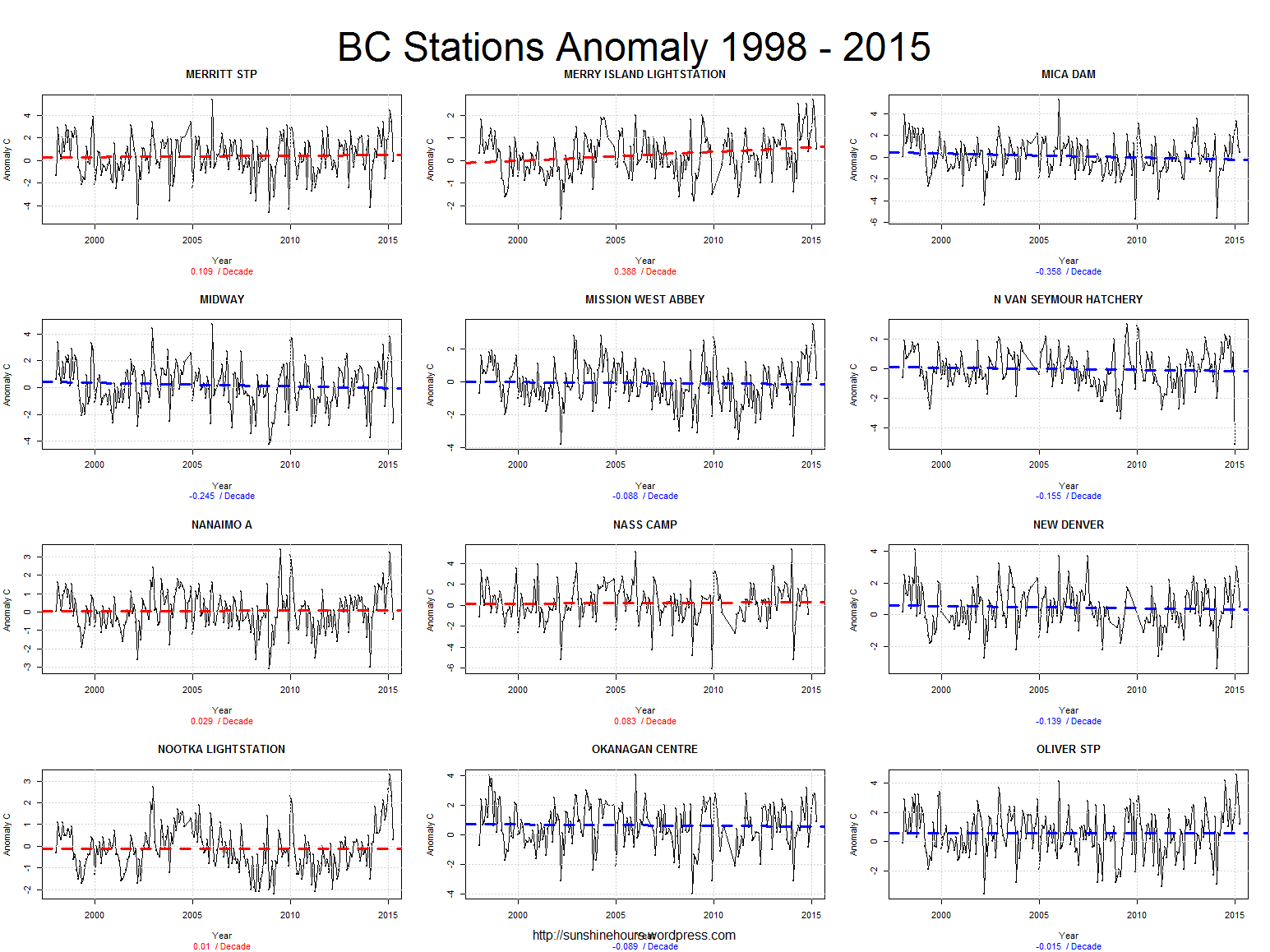
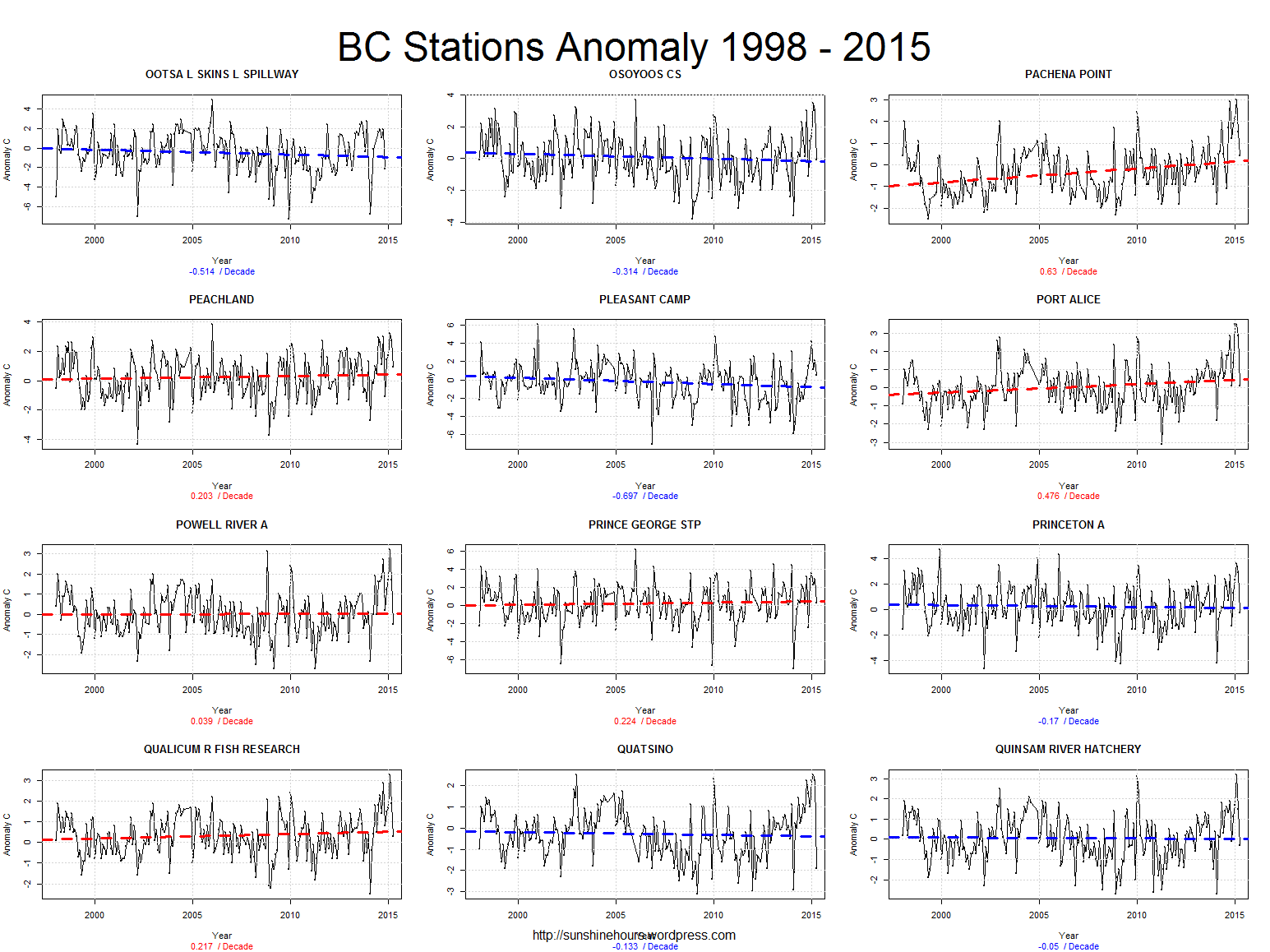
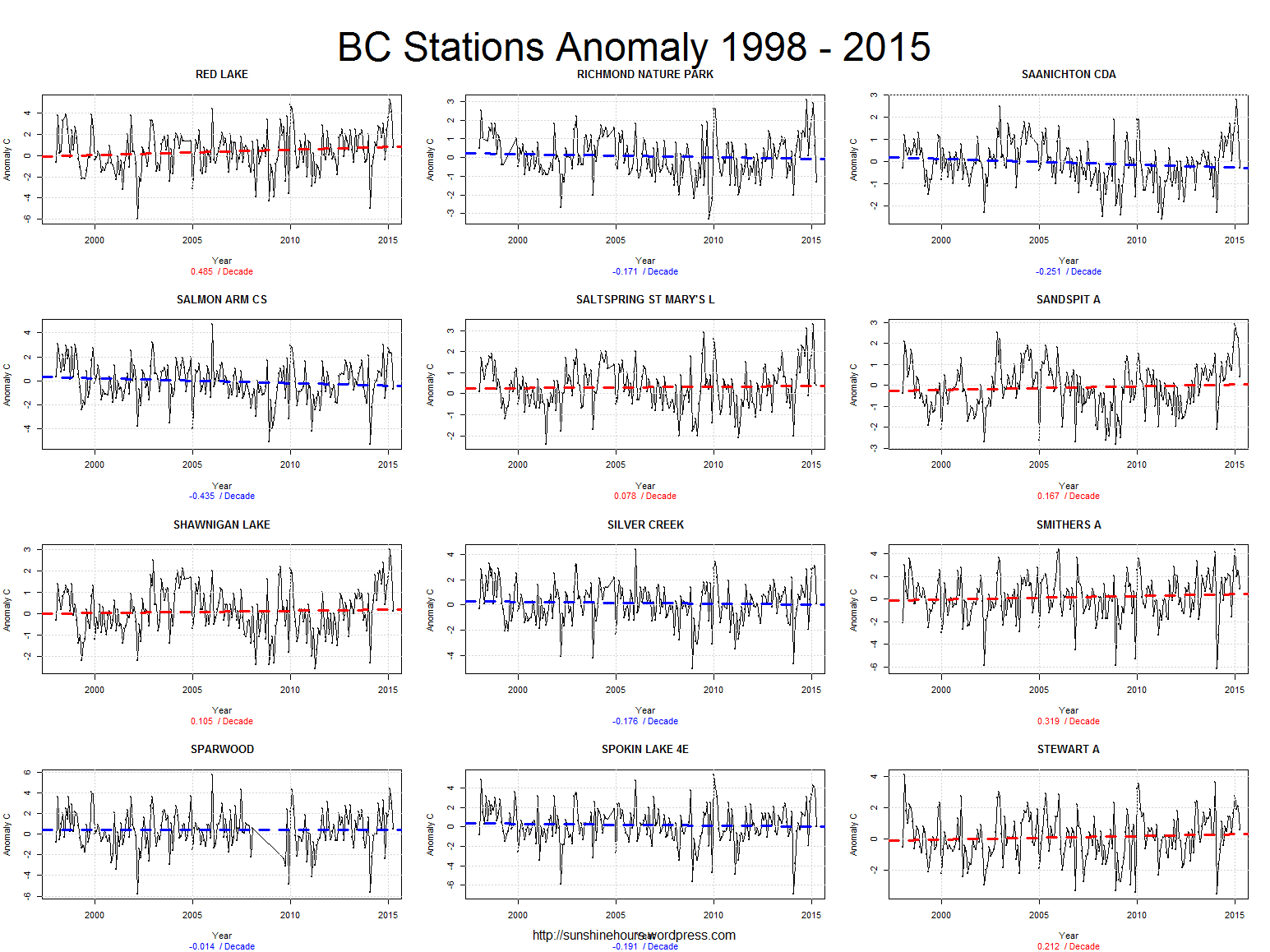
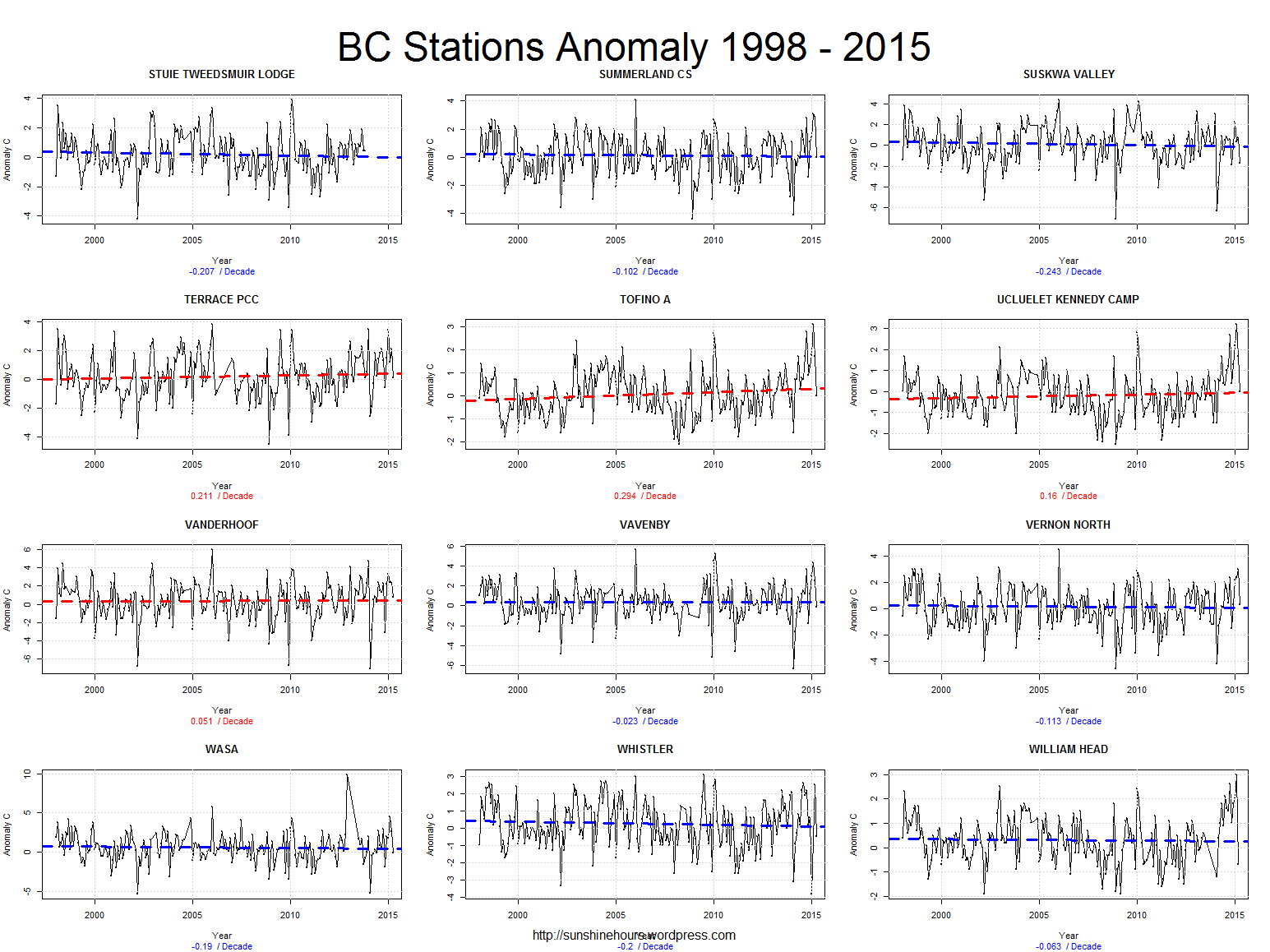
If you take Environment Canada’s monthly summaries from 1998 to April 2015.
Use only the station with pre-calculated Normals (anomalies from 1981-2010 avg).
Average them on a 1×1 grid and then graph the data:

Doom!!!! They predicted doom!!!!
San Jose Mercury News (CA) – June 30, 1989 – 3F General News
A senior environmental official at the United Nations, Noel Brown, says entire nations could be wiped off the face of the earth by rising sea levels if global warming is not reversed by the year 2000. Coastal flooding and crop failures would create an exodus of “eco-refugees,” threatening political chaos, said Brown, director of the New York office of the U.N. Environment Program. He said governments have a 10-year window of opportunity to solve the greenhouse effect before it goes beyond human…
“The province of Saskatchewan experienced extreme hardship during the Great Depression of the 1930s.
Grasshoppers, hail and drought destroyed millions of acres of wheat. The drought caused massive crop failures, and Saskatchewan became known as a dust bowl.
The term “Dirty Thirties” described the prairies, creating pessimistic perceptions and negative stereotypes about life in Saskatchewan.
In 1928, the net FARMING income was $363 million; by 1933, it dropped to $11 million; and by 1937, two-thirds of the farm population of Saskatchewan was destitute.
Relief costs for the Saskatchewan government escalated to $62 million, which was higher than its total revenues. At least 250,000 people left the prairie provinces between 1931 and 1941.”
http://esask.uregina.ca/entry/great_depression.html




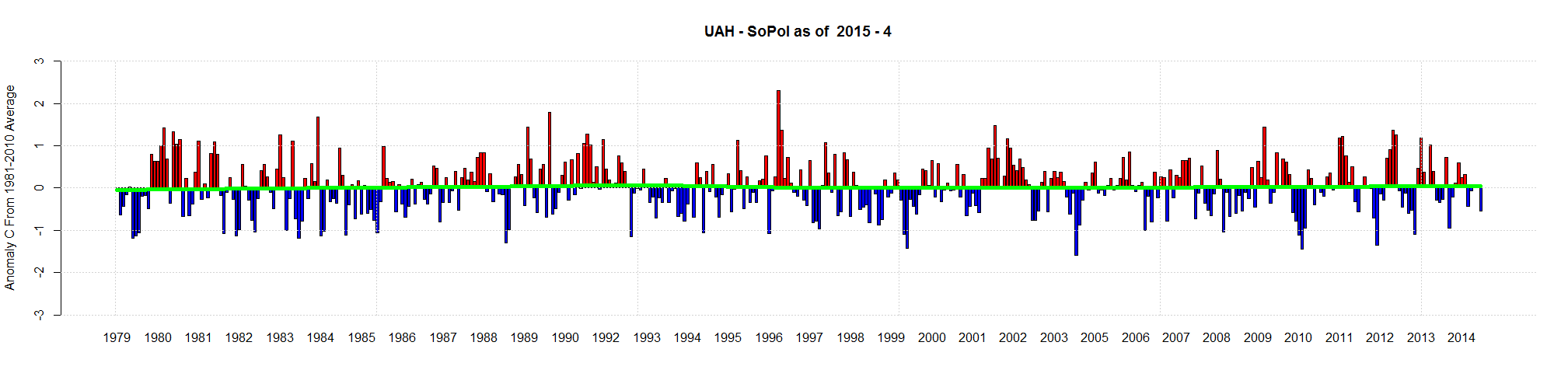
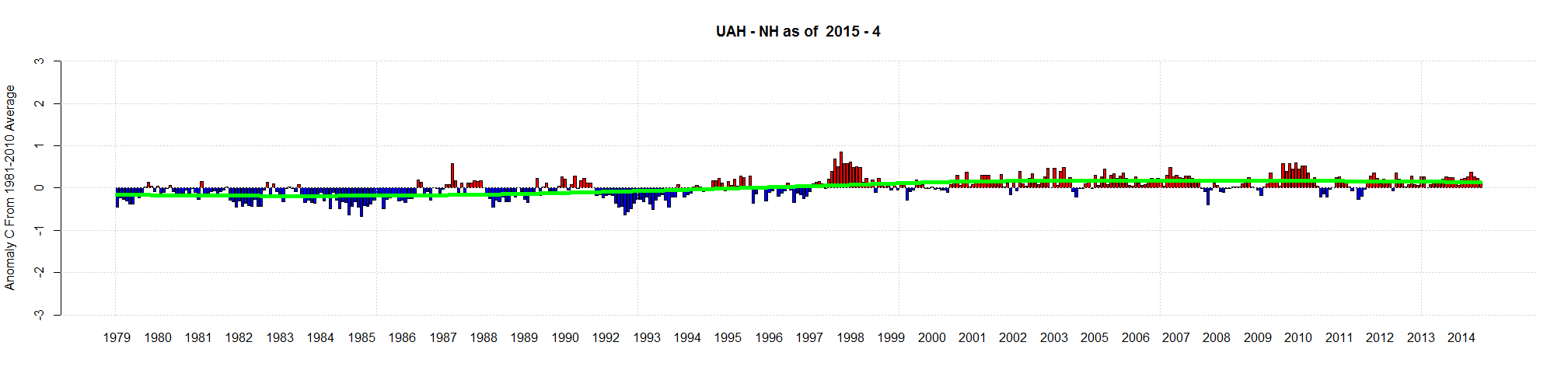
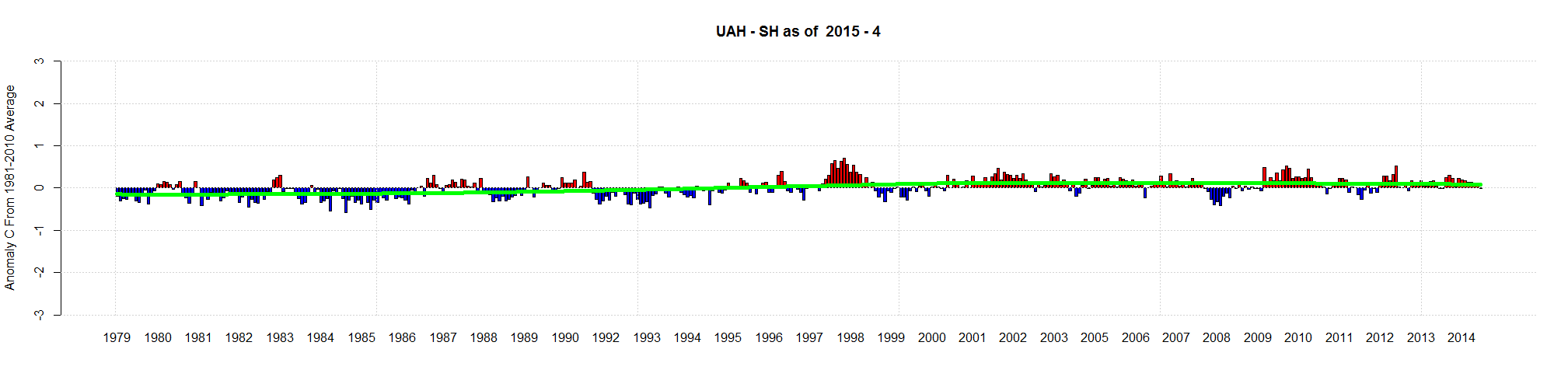
 sunshine hours