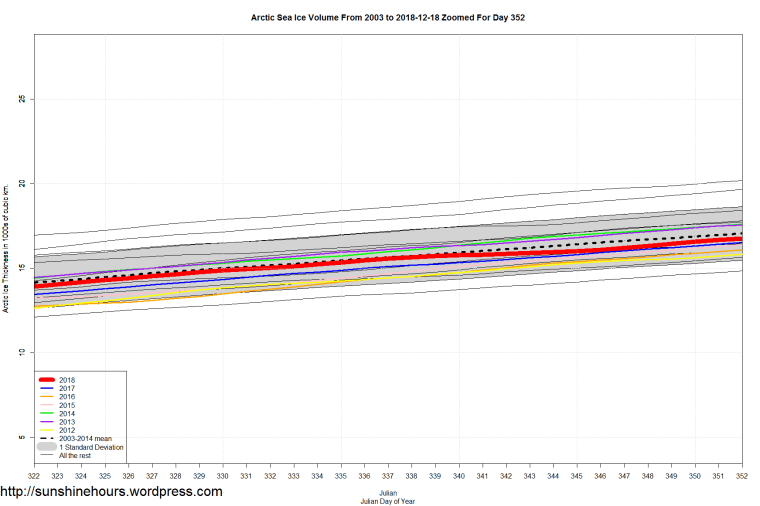
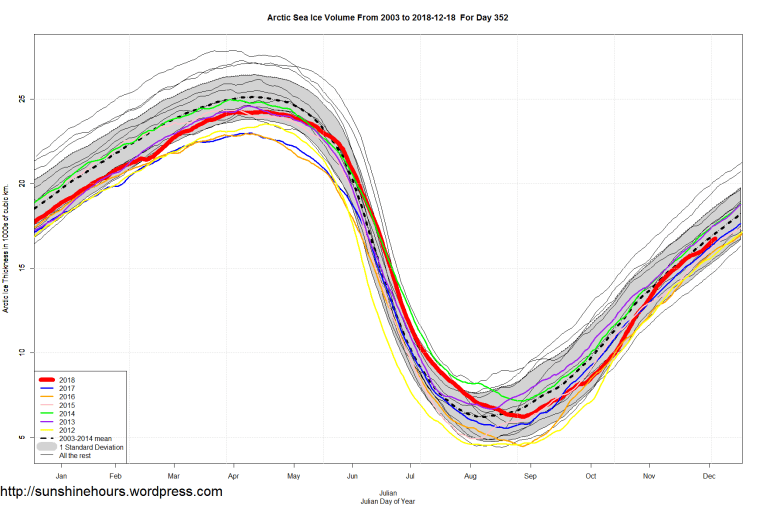
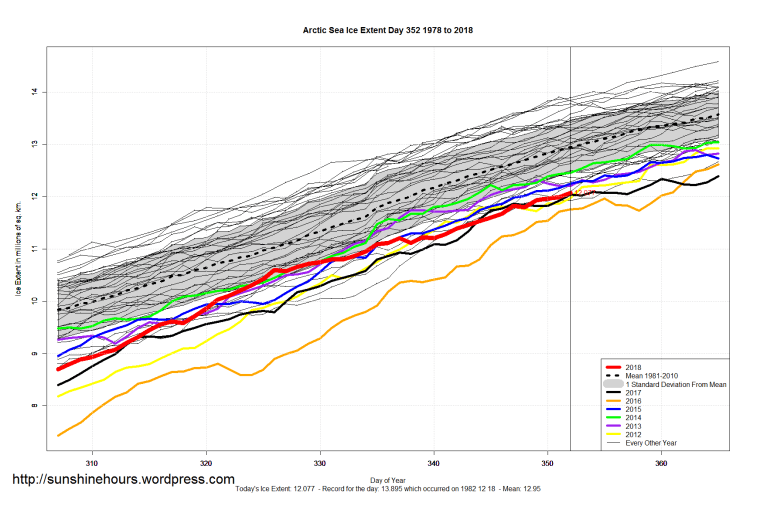
From DMI
No shortage of phrases that are supposed to elicit anger at the government … but they just make me grin. Solar panels are subsidized by the poor.
The Government is closing an energy payment scheme which will mean homes with solar panels could be giving their excess power to the grid for free, provoking outrage among campaigners.
The Department for Business, Energy and Industrial Strategy Department (Beis) has announced the closure of the ‘export tariff’ scheme.
It pays householders for excess power that is fed back into the grid, to new solar generators from next April.
The closure of the scheme has prompted fury among green campaigners with Dr Doug Parr, chief scientist for Greenpeace UK, describing it as ‘simply perverse‘.

Burning wood makes more CO2 than coal.
The conclusions high points:

Scientist: We are running out of penguins due to climate change.
Other Scientist: Nope.
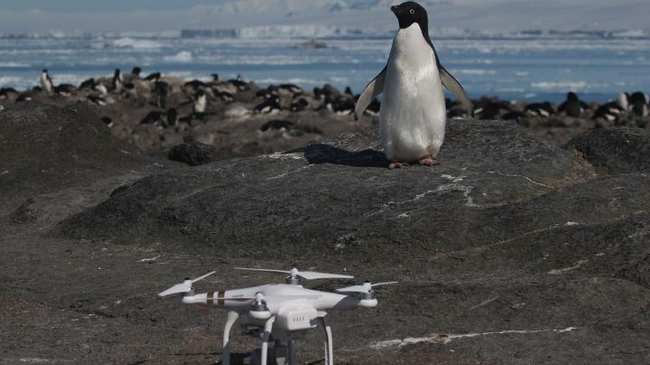
Imagine if your community pooped so much it was visible from space. A supercolony of 1.5 million Antarctic Adélie penguins has bragging rights to this achievement, after scientists discovered the birds thanks to satellite images of their pink guano.
Despite its large population, the colony has managed to remain off the maps since it first took roost on the Danger Islands some 3,000 years ago. The archipelago, which is named for the dangerous ice cover that surrounds it even in the summer, sits near the tip of the Antarctic Peninsula, and has barely been explored.
But when scientists developed an algorithm for detecting penguin guano in NASA Landsat imagery, the Danger Islands showed up as an untapped hotspot.
“We thought that we knew where all the penguin colonies were,” said Heather Lynch, a Stony Brook University ecologist, at a news conference during the American Geophysical Union (AGU) meeting last week. “But in fact, this small archipelago, that measures only 15 kilometers from one end to the other, [has] more Adélie penguins than the entire rest of the Antarctic peninsula combined.”
Whistler ski resort makes a mess of climate extortion.
The oil and gas portion of an investors conference in Whistler has been scrapped after the resort town’s mayor demanded fossil fuel companies pay for costs associated with climate change.
Mayor Jack Crompton posted a video apology to Facebook on Thursday after Postmedia reported on his letter to Calgary-based Canadian Natural Resources Ltd.
“I sincerely regret that anyone felt unwelcome here,” he said. “We recognize there are hundreds of thousands of Canadians who work directly and indirectly in the oil and gas sector and they are very proud of the work they do.”
In the letter, Crompton asked CNRL pay a “fair share” of the town’s “costs of climate change,” including part of a $1.4-million wildfire protection budget.
But the apology hasn’t stopped investors from cancelling their trips to Whistler for the 21st annual CIBC Whistler Institutional Investor Conference in January, and Postmedia has learned CIBC has cancelled the oil and gas sector’s part of the conference.
“The Canadian energy industry has been a global leader of responsible energy development,” CIBC said in a statement. “We are committed to our clients in the energy sector as they play a key role in driving the Canadian economy.”
Crompton acknowledged in his apology how the resort community depends on fossil fuels and said Whistler has “a responsibility to respond to the climate change challenge ourselves, and do it locally.”

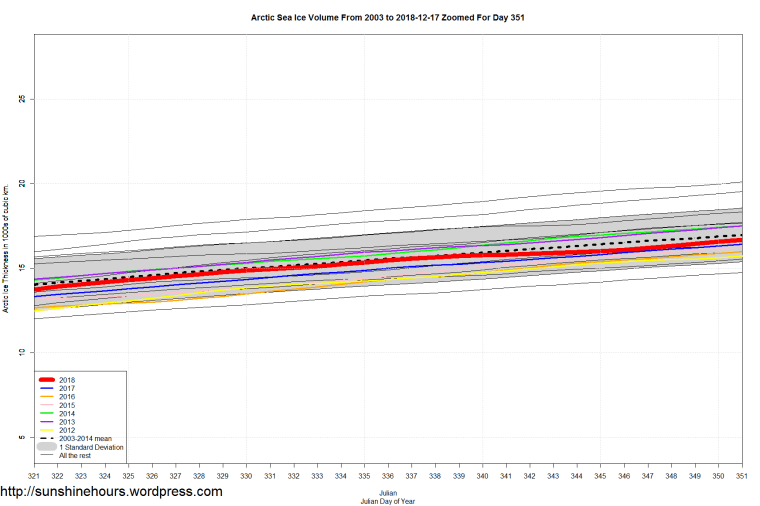
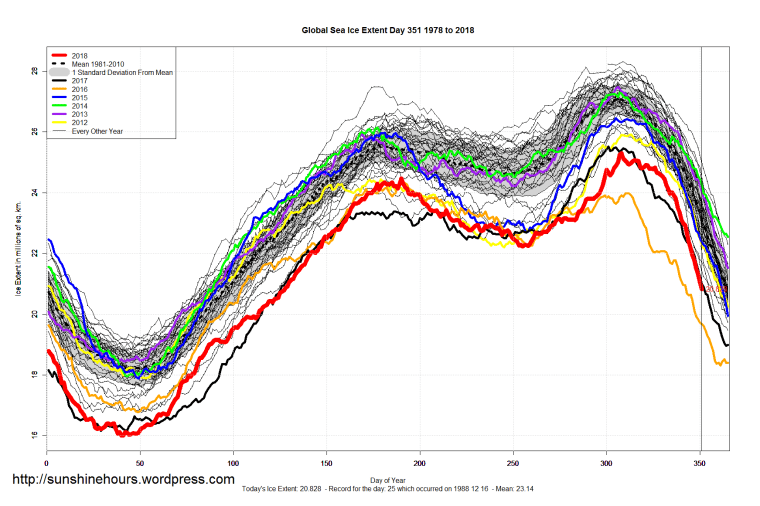
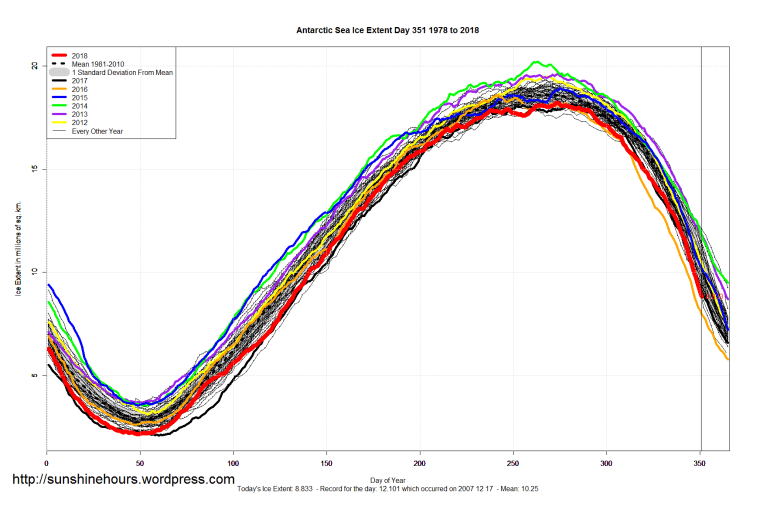
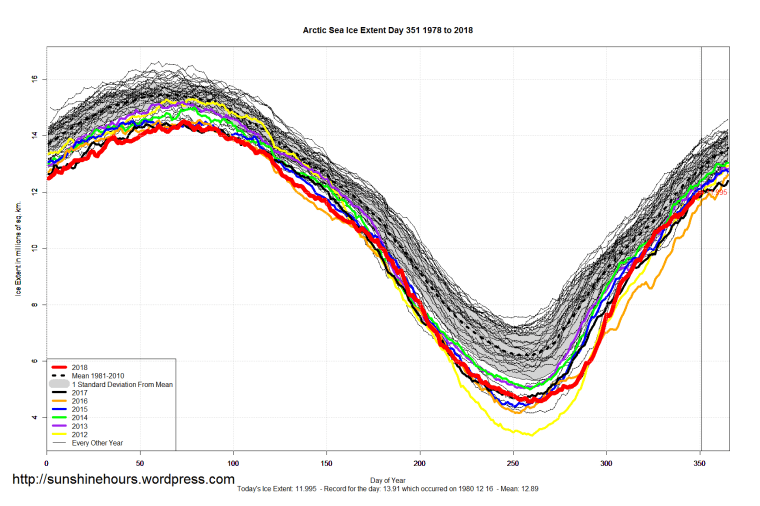
From DMI
Oops. Not only is rare earth mining filthy … we don’t have enough mines to replace fossil fuels.
A new scientific study supported by the Dutch Ministry of Infrastructure warns that the renewable energy industry could be about to face a fundamental obstacle: shortages in the supply of rare metals.
To meet greenhouse gas emission reduction targets under the Paris Agreement, renewable energy production has to scale up fast. This means that global production of several rare earth minerals used in solar panels and wind turbines—especially neodymium, terbium, indium, dysprosium, and praseodymium—must grow twelvefold by 2050.
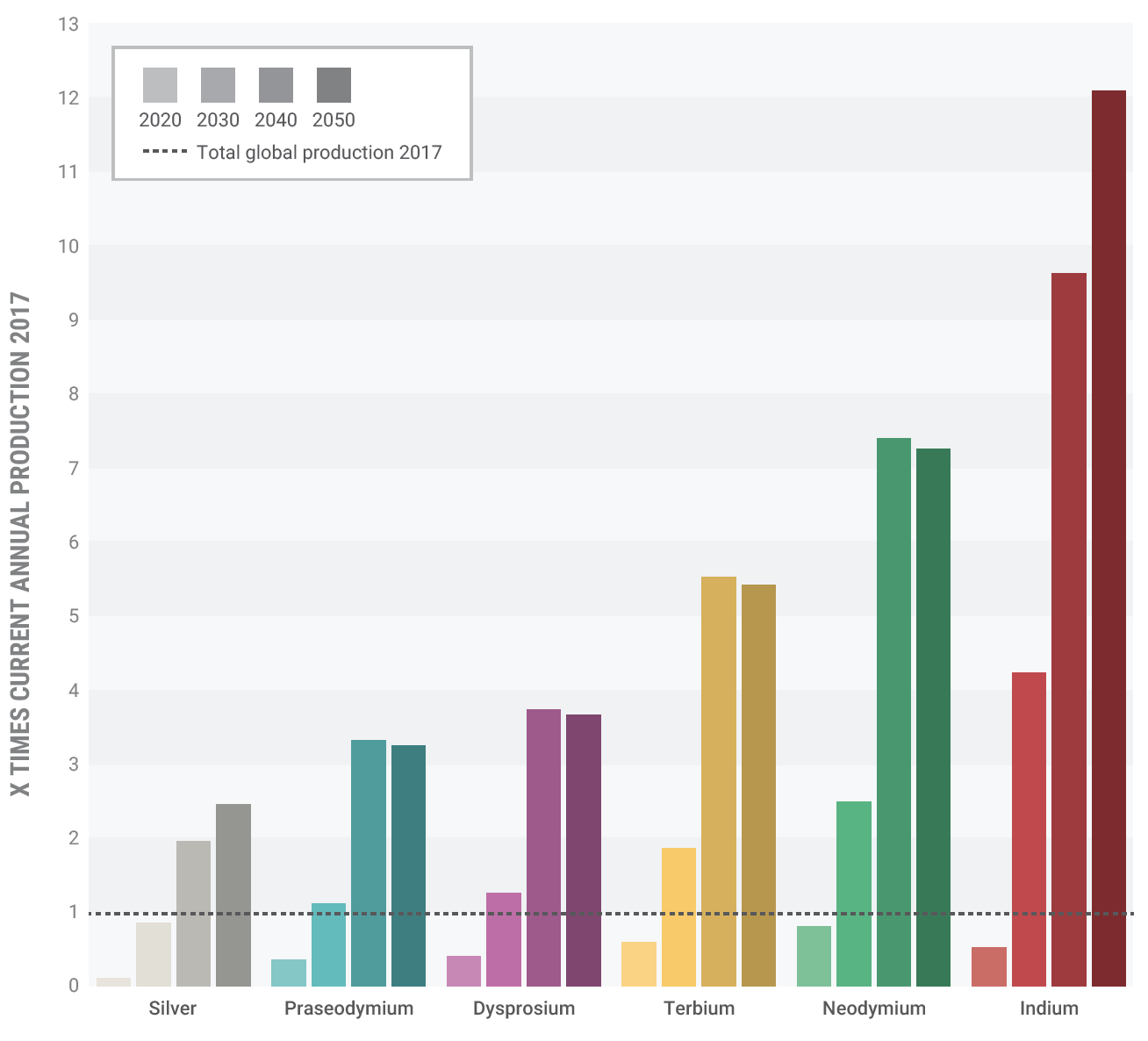
But according to the new study by Dutch energy systems company Metabolic, the “current global supply of several critical metals is insufficient to transition to a renewable energy system.”
Read the rest …
Mexican Volcano erupts
 sunshine hours